
What Is a Humidity and Temperature Conditioning Chamber? Working Principle, Applications and Benefits
Innotech Engineering Devices Private Limited
17 September 2026
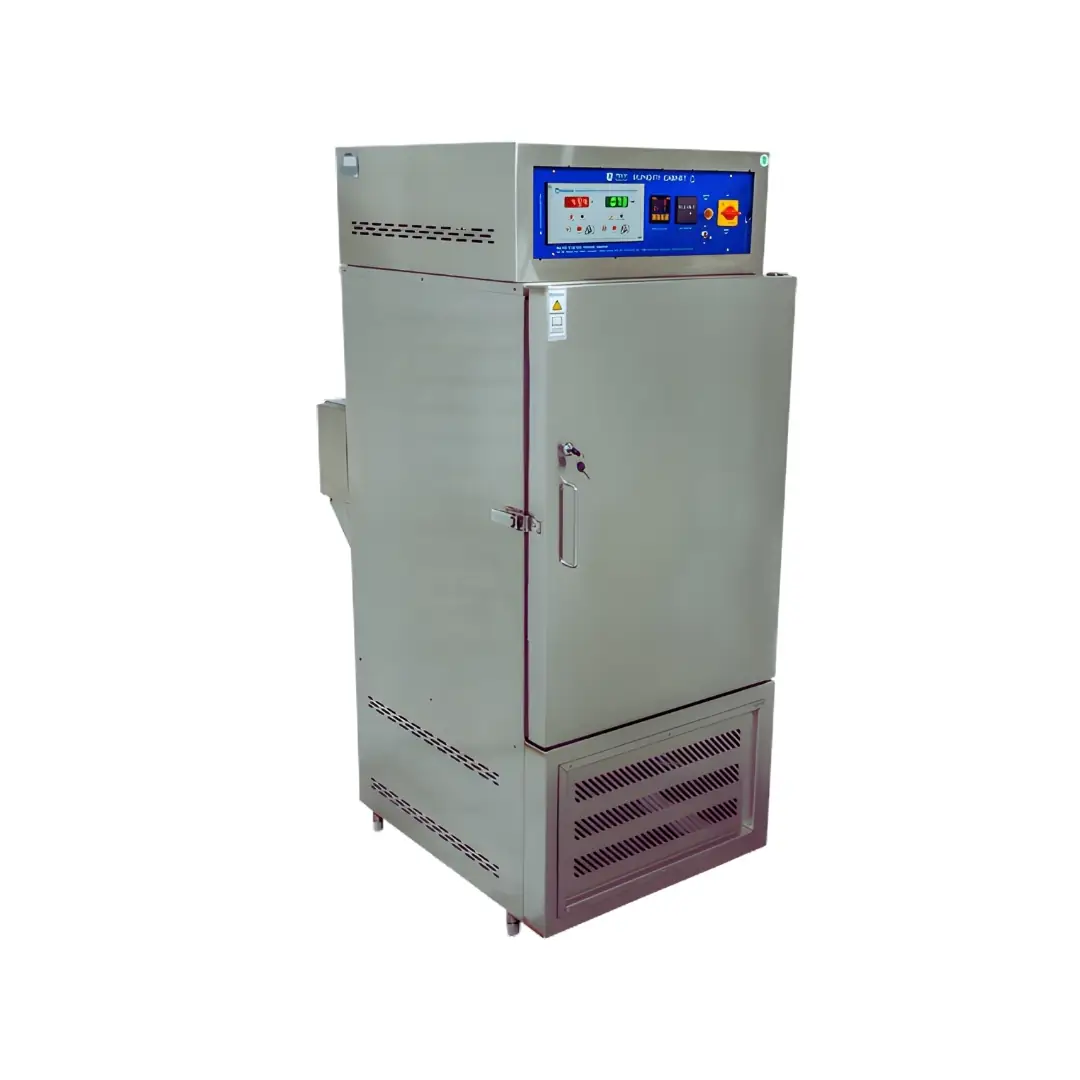
Humidity & Temperature Conditioning Chamber
What Is a Humidity and Temperature Conditioning Chamber?
A Humidity and Temperature Conditioning Chamber is laboratory and environmental testing equipment used to expose materials, specimens, components and products to controlled temperature and relative humidity conditions.
Temperature and humidity can influence the physical, mechanical, dimensional and functional properties of many materials. For this reason, controlled environmental conditioning is an important part of many laboratory testing and product evaluation procedures.
A humidity and temperature conditioning chamber provides a controlled environment in which samples can be conditioned for a specified period before testing or evaluated under selected environmental conditions.
These chambers are commonly used in material testing laboratories, research and development facilities, quality control departments and industries such as plastics, polymers, rubber, packaging, paper, textiles and automotive components.
Why Is Temperature and Humidity Conditioning Important?
Materials do not always behave the same way under different environmental conditions.
Changes in temperature and humidity can affect properties such as:
• Strength
• Flexibility
• Dimensional stability
• Moisture content
• Hardness
• Elongation
• Appearance
• Adhesion
• Weight
• Electrical performance
• Durability
For this reason, laboratories may condition test specimens before testing to establish controlled and repeatable environmental conditions.
A conditioning chamber helps provide a stable environment for these procedures.
How Does a Humidity and Temperature Conditioning Chamber Work?
A humidity and temperature conditioning chamber generally consists of an insulated working chamber, temperature-control system, humidity-generation or control system, sensors and a control interface.
The sample or specimen is placed inside the chamber. The temperature-control system heats or cools the chamber as required, while the humidity-control system adjusts the relative humidity.
Sensors continuously monitor the environmental conditions inside the chamber. The control system uses this information to maintain the selected temperature and humidity conditions.
The exact operating temperature range, humidity range, chamber volume and control accuracy depend on the particular chamber configuration.
Main Components of a Conditioning Chamber
A typical humidity and temperature conditioning chamber may include:
• Insulated test chamber
• Heating system
• Cooling system, where required
• Humidity generation system
• Temperature sensor
• Humidity sensor
• Digital control system
• Display/interface
• Air circulation system
• Sample shelves or racks
• Safety and protection systems
The exact configuration varies according to the chamber design and application.
Applications of Humidity and Temperature Conditioning Chambers
Humidity and temperature conditioning chambers are used in a wide range of laboratory and industrial applications.
Common applications include:
• Conditioning of material test specimens
• Environmental exposure testing
• Material performance evaluation
• Product stability studies
• Research and development
• Quality control
• Pre-conditioning before laboratory testing
• Polymer and plastic testing
• Rubber and elastomer testing
• Packaging material testing
• Film testing
• Paper and board testing
• Textile and fabric testing
• Automotive component testing
• Electrical and electronic component testing
Humidity and Temperature Chamber for Plastic and Polymer Testing
Plastics and polymers can respond differently to changes in temperature and moisture.
A controlled conditioning chamber can be used to expose suitable plastic and polymer specimens to specified environmental conditions before testing.
Depending on the applicable test procedure, conditioning may help laboratories evaluate changes in mechanical, dimensional or physical properties.
Humidity Chamber for Rubber and Elastomer Testing
Rubber and elastomer products can also be affected by environmental conditions.
Controlled temperature and humidity exposure can be incorporated into suitable laboratory procedures for evaluating material behavior and performance.
The chamber can therefore support research, quality control and specimen-conditioning applications for rubber and elastomer materials.
Humidity and Temperature Conditioning for Packaging Materials
Packaging materials may experience different environmental conditions during storage, transportation and use.
Films, flexible packaging, paper-based materials, laminates and other packaging components can be conditioned under controlled temperature and humidity before appropriate testing.
This can help laboratories study how environmental conditions influence selected packaging properties.
Humidity Chamber for Paper and Textile Materials
Paper, board, textiles and fabrics can interact with moisture present in the surrounding environment.
Controlled temperature and humidity conditioning can therefore be useful when preparing suitable specimens for laboratory testing or studying material behavior under defined environmental conditions.
Environmental Conditioning for Automotive Components
Automotive components may encounter varying environmental conditions during their service life.
Depending on the component and testing procedure, environmental conditioning can be used as part of product development, quality control and performance evaluation.
Suitable fixtures and chamber configurations can be selected according to the component size and testing requirements.
Benefits of Using a Humidity and Temperature Conditioning Chamber
Controlled environmental conditioning provides several benefits for laboratory and industrial testing.
Improved Test Repeatability
Conditioning specimens under controlled environmental conditions can help reduce variations caused by uncontrolled temperature and humidity.
Controlled Testing Environment
The chamber provides a defined environment for exposing samples to selected temperature and humidity conditions.
Material Performance Evaluation
Controlled environmental exposure can help researchers and quality-control teams study changes in material properties.
Research and Development
The chamber can be used to investigate how materials and products respond to different environmental conditions during development.
Quality Control
Manufacturers can use controlled conditioning as part of suitable quality-control and product-evaluation procedures.
What Is Relative Humidity?
Relative humidity is a measure of the amount of water vapor present in air relative to the maximum amount of water vapor the air can hold at a particular temperature.
Because the ability of air to hold moisture changes with temperature, both temperature and relative humidity are important when establishing a controlled environmental condition.
This is one reason why temperature and humidity are controlled together in many environmental conditioning applications.
Temperature and Humidity Conditioning vs Environmental Testing
Temperature and humidity conditioning and environmental testing are related but are not necessarily the same process.
Conditioning generally refers to exposing a specimen to specified environmental conditions before or during a testing procedure.
Environmental testing can involve a broader range of exposure conditions and may be used to evaluate how a product or component performs after environmental exposure.
The exact terminology and procedure depend on the applicable test method and laboratory requirements.
What Materials Can Be Tested or Conditioned?
Depending on the chamber design and applicable procedure, suitable materials and products may include:
• Plastics
• Polymers
• Rubber
• Elastomers
• Films
• Packaging materials
• Paper
• Paperboard
• Textiles
• Fabrics
• Automotive components
• Industrial components
• Composite materials
• Other laboratory specimens
The suitability of a particular material depends on the required temperature, humidity and testing procedure.
Factors to Consider When Selecting a Conditioning Chamber
Before purchasing a humidity and temperature conditioning chamber, laboratories should consider several factors.
Temperature Range
Determine the minimum and maximum temperature required for the intended applications.
Humidity Range
Identify the required relative humidity range and control requirements.
Chamber Capacity
The internal working volume should be suitable for the size and number of samples being tested.
Air Circulation
Suitable air circulation is important for maintaining consistent environmental conditions within the working chamber.
Control System
The control system should provide convenient monitoring and adjustment of the required environmental conditions.
Sample Arrangement
Shelves, racks or fixtures should be suitable for the specimens and products being conditioned.
Safety Features
Appropriate electrical, temperature and operational safety provisions should be considered according to the application.
Testing Standards and Procedures
If the chamber is being purchased for a specific testing procedure, the laboratory should verify the environmental requirements of the applicable standard before selecting the equipment.
Importance of Calibration and Monitoring
Temperature and humidity measurements are important parameters in environmental conditioning.
Regular verification and calibration of sensors and measurement systems can help laboratories maintain confidence in their environmental conditions.
Calibration requirements should be established according to the laboratory's quality system, applicable testing procedures and equipment specifications.
Humidity and Temperature Conditioning Chamber for Laboratories
Material testing laboratories can use conditioning chambers as part of specimen preparation, environmental exposure and research procedures.
A properly selected chamber can support different testing programs across plastics, polymers, rubber, packaging, paper, textiles and other materials.
The chamber capacity and environmental range should be selected according to the laboratory's current and anticipated requirements.
Humidity and Temperature Conditioning Chamber Manufacturer in India
Innotech Engineering Devices Private Limited manufactures and supplies Humidity and Temperature Conditioning Chambers for laboratory, material testing, research and industrial applications.
The equipment can be configured according to required temperature range, humidity range, working chamber capacity, controls and application requirements.
Conclusion
A Humidity and Temperature Conditioning Chamber provides a controlled environment for conditioning and evaluating materials, specimens, components and products under defined temperature and humidity conditions.
It can play an important role in material testing, quality control, research and development and product evaluation.
When selecting a conditioning chamber, laboratories should consider temperature range, humidity range, chamber capacity, air circulation, control system, sample dimensions and the requirements of the intended testing procedures.
For laboratories working with plastics, polymers, rubber, packaging, paper, textiles, automotive components and other materials, controlled temperature and humidity conditioning can be an important part of a reliable testing process.
Frequently Asked Questions
What is a humidity and temperature conditioning chamber?
It is an environmental testing chamber used to expose samples and products to controlled temperature and relative humidity conditions.
What is a humidity chamber used for?
A humidity chamber can be used for specimen conditioning, environmental exposure, material evaluation, research and development and quality-control applications.
Why are temperature and humidity controlled during material testing?
Temperature and humidity can influence the properties of many materials. Controlled conditioning helps establish consistent environmental conditions for suitable testing procedures.
Can a humidity chamber be used for plastic testing?
Yes. Suitable plastic and polymer specimens can be conditioned under controlled temperature and humidity conditions according to the applicable testing procedure.
Can it be used for rubber and elastomer testing?
Yes. The chamber can support suitable conditioning and environmental testing applications involving rubber and elastomer materials.
Can the chamber be used for packaging testing?
Yes. Films, flexible packaging, paper-based packaging and other suitable packaging materials can be conditioned before appropriate laboratory testing.
What is relative humidity?
Relative humidity indicates the amount of moisture in the air compared with the maximum moisture the air can hold at a particular temperature.
How do I choose a humidity and temperature chamber?
Consider the required temperature range, humidity range, chamber capacity, sample dimensions, control requirements, air circulation and applicable testing procedures.
Does a conditioning chamber need calibration?
Temperature and humidity measurement systems should be verified and calibrated according to the laboratory's quality requirements, applicable procedures and equipment specifications.
Who manufactures humidity and temperature conditioning chambers?
Innotech Engineering Devices Private Limited manufactures and supplies humidity and temperature conditioning chambers for laboratory, material testing and industrial applications.
Category: Environmental Testing Equipment
Tags: Humidity Chamber, Temperature Chamber, Environmental Testing, Material Testing, Conditioning Chamber, Laboratory Testing, Polymer Testing, Plastic Testing, Packaging Testing, Environmental Conditioning
Last Updated: 30 September 2026