
Digital Tensile Testing Machine: Working Principle, Applications, Features & Buying Guide
Jay Pal Singh
25 September 2026
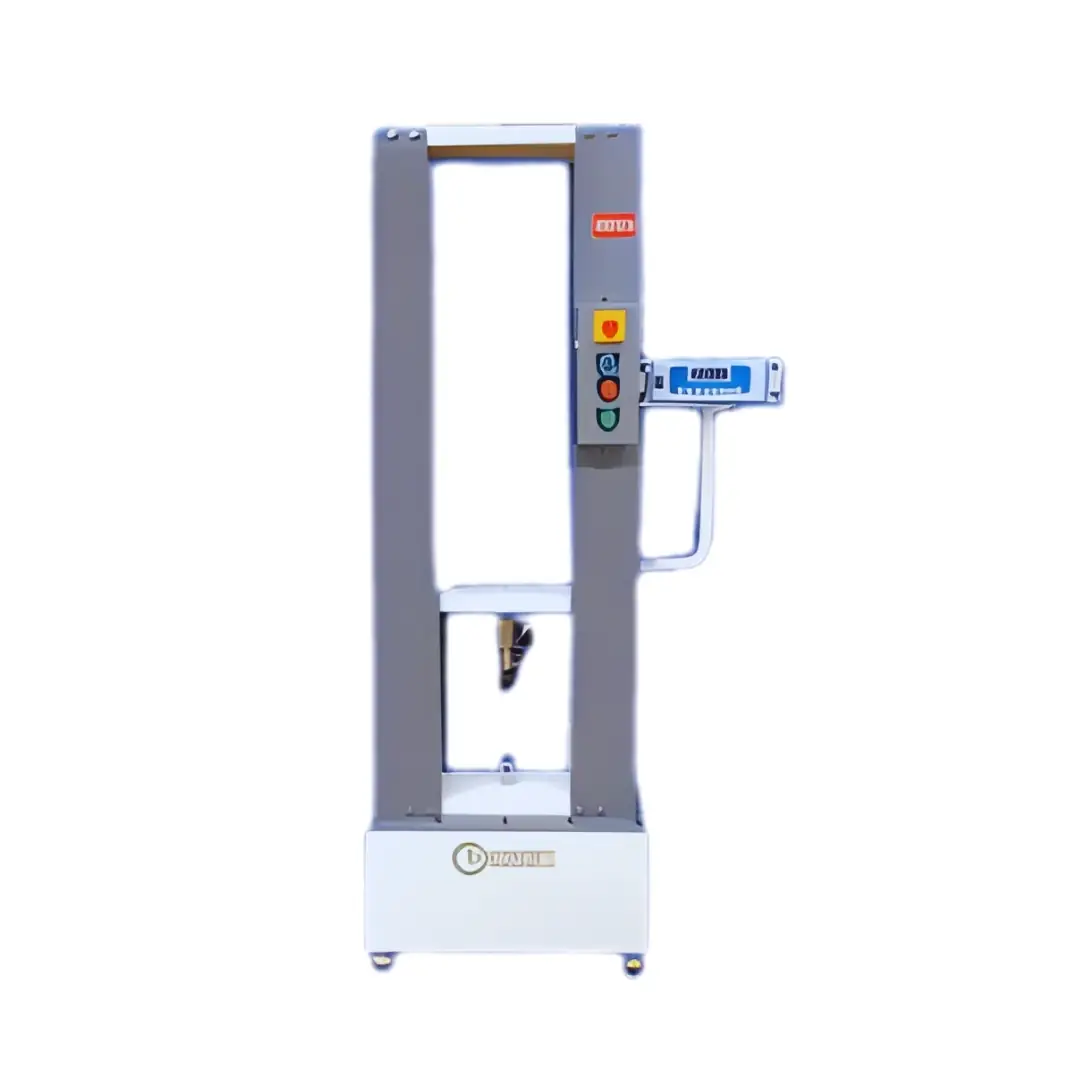
Digital Tensile Testing Machine
Digital Tensile Testing Machine: Working Principle, Applications, Features & Buying Guide
When a material is pulled, stretched or subjected to tensile force, how much load can it withstand before it permanently deforms or breaks?
This is one of the fundamental questions in mechanical and material testing.
A Digital Tensile Testing Machine provides a controlled way to apply tensile force to a test specimen and evaluate its mechanical response. It is used in material testing laboratories, manufacturing industries, automotive applications, research and development, quality-control departments and educational institutions.
Tensile testing is not limited to metals. Depending on the machine configuration and suitable fixtures, tensile testing can also be performed on plastics, polymers, rubber, wires, cables, composites and other engineering materials.
For companies searching for a Digital Tensile Testing Machine, understanding the working principle, testing process, machine features and selection factors is important before choosing equipment.
What Is a Digital Tensile Testing Machine?
A Digital Tensile Testing Machine is a material testing system used to apply a controlled tensile or pulling force to a specimen while measuring its response.
During the test, the specimen is securely held between suitable grips. The machine then applies tensile loading while relevant parameters such as load and displacement are measured through the machine's measurement system.
The resulting test information can help engineers understand:
• Tensile strength
• Load-bearing behaviour
• Deformation
• Extension
• Breaking behaviour
• Mechanical response
• Comparative material performance
The exact parameters available depend on the machine configuration, load measurement system, displacement measurement arrangement, software and selected fixtures.
How Does a Digital Tensile Testing Machine Work?
The basic principle of tensile testing is straightforward: a specimen is pulled under controlled conditions until the required test endpoint is reached.
1. Specimen Preparation
The specimen is prepared according to the required test method and application.
Specimen dimensions, shape and preparation can influence the test result, so appropriate specimen preparation is important.
2. Specimen Mounting
The test specimen is positioned between the machine's upper and lower grips.
The grips must hold the specimen securely while allowing the intended tensile force to be transferred to it.
3. Application of Tensile Force
The machine's drive mechanism moves the appropriate testing member and applies tensile force to the specimen.
The loading process is controlled according to the machine configuration and selected test procedure.
4. Digital Measurement
The machine measures the applied load through its measurement system.
Depending on the configuration, displacement or extension can also be measured.
5. Data Observation
The digital system displays or records relevant test information.
Computerised systems may also provide graphical representation, data storage and test reporting depending on the available software and configuration.
6. Test Completion
The test continues until the specified endpoint is reached, which may include specimen failure or another defined testing condition.
The resulting information can then be analysed for material or component evaluation.
What Does a Tensile Test Determine?
A tensile test can provide important information about the mechanical behaviour of a material.
Depending on the test method and machine configuration, tensile testing can be used to evaluate:
• Tensile strength
• Maximum load
• Extension
• Elongation
• Deformation behaviour
• Yield-related behaviour
• Breaking behaviour
• Load-extension relationship
• Comparative material performance
The exact properties calculated should always be based on the applicable test method and measurement system.
Why Is Digital Tensile Testing Important?
Traditional mechanical testing requires accurate force application and reliable measurement.
A digital tensile testing system can make observation and recording more convenient by presenting test information electronically.
Digital systems can help laboratories with:
• Easier reading of test values
• Consistent test operation
• Data recording
• Result comparison
• Test documentation
• Quality-control procedures
• Research and development
For laboratories performing repeated testing, digital measurement and data management can be particularly useful.
Materials That Can Be Tested
Depending on the machine configuration and suitable grips, tensile testing may be performed on:
• Metals
• Steel
• Aluminium
• Copper
• Plastics
• Polymers
• Rubber
• Elastomers
• Wires
• Cables
• Composites
• Textiles
• Engineering materials
• Other suitable specimens
The grips, test capacity and specimen dimensions should always be matched to the material being tested.
Applications of Digital Tensile Testing Machine
Metal Testing
Tensile testing is widely used to evaluate suitable metals and engineering materials.
Manufacturers can use tensile results for material inspection, product development and quality control.
Plastic and Polymer Testing
Plastic and polymer products can exhibit different deformation and breaking behaviour under tensile loading.
A suitable tensile testing arrangement can help evaluate their mechanical response.
Automotive Industry
Automotive manufacturers and component suppliers use mechanical testing during material selection, product development and quality-control processes.
Wire and Cable Testing
Suitable wires and cable-related materials can require tensile evaluation to understand their mechanical performance.
Manufacturing Quality Control
Manufacturers can use tensile testing for incoming material inspection, production quality control and final product evaluation.
Research and Development
R&D teams can compare different materials, formulations and product designs through controlled mechanical testing.
Digital Tensile Testing Machine vs Universal Testing Machine
A common question is whether a Digital Tensile Testing Machine and a Universal Testing Machine are the same.
They can overlap in functionality, but the terminology is often used differently.
A tensile testing machine may be configured primarily for tensile testing, while a Universal Testing Machine (UTM) is generally designed to perform multiple mechanical tests using suitable fixtures.
Depending on its configuration, a UTM may support:
• Tensile testing
• Compression testing
• Flexural testing
• Bending testing
• Other mechanical tests
Therefore, users should select the machine according to the range of tests they actually need to perform.
Important Features to Consider
When selecting a Digital Tensile Testing Machine, consider:
Load Capacity
The machine should have an appropriate load capacity for the materials and specimens being tested.
Load Measurement
The measurement system should be appropriate for the required testing accuracy and application.
Test Speed
The machine should support the required test speed for the intended test procedure.
Grips and Fixtures
Different materials and specimen shapes may require different grips.
Displacement Measurement
Where extension or elongation needs to be evaluated, appropriate displacement measurement is important.
Digital Display
A clear digital display can make test values easier to observe during operation.
Software and Data Recording
For laboratories requiring electronic records, software and data acquisition capabilities should be considered.
How to Choose the Right Digital Tensile Testing Machine?
Before purchasing a tensile testing machine, ask the following questions:
1. What materials will be tested?
2. What is the maximum expected test load?
3. What specimen dimensions will be used?
4. What type of grips are required?
5. Is tensile testing the only required test?
6. Is compression or flexural testing also required?
7. Is digital data recording necessary?
8. Is computerised analysis required?
9. What testing frequency is expected?
10. What laboratory space is available?
Answering these questions can help narrow down the appropriate machine configuration.
Digital Tensile Testing Machine for Quality Control
Tensile testing can become an important part of a manufacturing quality-control program.
Manufacturers can compare test results between:
• Raw material batches
• Production batches
• Suppliers
• Different product formulations
• Different manufacturing processes
• Finished products
Consistent testing procedures can help identify material variations and support product quality management.
Digital Tensile Testing Machine Manufacturer in India
Innotech Engineering Devices Private Limited manufactures and supplies material testing machines for industrial and laboratory applications.
The company's testing equipment range includes universal testing machines, hardness testing equipment, torsion testing machines, spring testing machines and other specialised testing systems.
For organizations looking for a Digital Tensile Testing Machine manufacturer in India, machine selection should be based on the required load, specimen type, test method, fixtures and measurement requirements.
Frequently Asked Questions Digital Tensile Testing Machine
What is a Digital Tensile Testing Machine?
It is a testing machine used to apply controlled tensile force to a specimen and evaluate its mechanical response through digital measurement and indication.
What materials can be tested?
Depending on machine capacity and grips, metals, plastics, polymers, rubber, wires, cables, composites and other suitable materials can be tested.
What is tensile strength?
Tensile strength describes the maximum tensile stress a material can withstand under a specified tensile test before failure.
Is a Digital Tensile Testing Machine the same as a UTM?
Not necessarily. A tensile testing machine may focus on tensile testing, while a UTM can be configured for multiple mechanical tests.
Why use a digital testing machine?
Digital systems can provide convenient display, measurement, recording and analysis of test information depending on the machine configuration.
How do I choose a tensile testing machine?
Consider load capacity, specimen dimensions, materials, grips, test speed, displacement measurement, data acquisition and the tests required by your laboratory.
Conclusion
A Digital Tensile Testing Machine is an important tool for evaluating the mechanical behaviour of materials and components under tensile loading. From metal and plastic testing to automotive, wire, manufacturing and laboratory applications, tensile testing provides useful information for product development and quality control.
The correct machine should be selected according to the material, test method, required capacity, specimen dimensions, grips, measurement requirements and future testing needs.
Innotech Engineering Devices Private Limited provides material testing equipment for laboratories and industries requiring reliable mechanical testing solutions.
Category: Universal Testing Machines
Tags: Digital Tensile Testing Machine, Tensile Testing Machine, Tensile Testing Equipment, Tensile Strength Testing, Tensile Tester, Material Testing Machine, Tensile Test Procedure, Tensile Testing Laboratory, Mechanical Testing, Metal Testing, Plastic Testing
Last Updated: 26 September 2026