

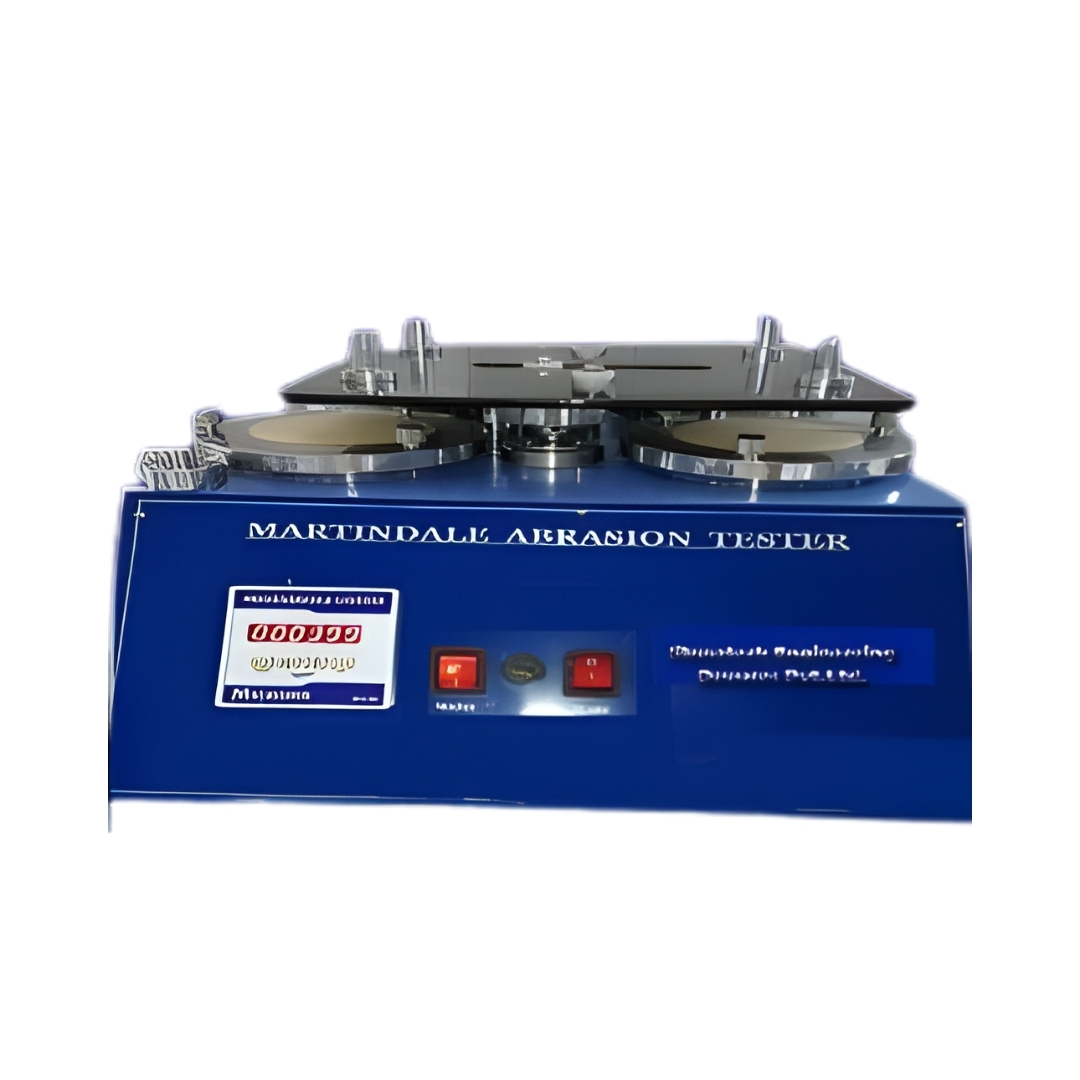
MARTINDALE ABRASION TESTER
Technical Specifications
-
Test Method: Martindale Abrasion & Pilling Method
-
Motion: Lissajous figure (multi-directional rubbing)
-
Number of Test Stations: 4 / 6 / 8 / 9 / 12 / 16 stations (optional)
-
Specimen Diameter: 38 mm or 140 mm (as per standard)
-
Abrasive Medium: Standard wool fabric / sandpaper
-
Applied Pressure:
-
9 kPa (Light fabrics)
-
12 kPa (Workwear, upholstery)
-
-
Counter Range: 0 – 99,999 cycles (digital presettable)
-
Drive System: Precision motor with gearbox
-
Control System: Microprocessor / Digital controller
-
Display: LCD / LED digital display
-
Auto Stop: Yes, at preset cycles
-
Power Supply: 220–240 V AC, 50 Hz
-
Standards Compliance:
-
ISO 12947
-
ASTM D4966
-
BS 3424
-
EN 530
-
GB/T 21196
-
Applications
-
Abrasion resistance testing of woven & knitted fabrics
-
Pilling resistance evaluation
-
Upholstery and automotive textile testing
-
Carpet and floor covering testing
-
Quality control and R&D
The Martindale Abrasion Tester is a laboratory testing instrument used to determine the abrasion resistance and pilling performance of textile fabrics, upholstery, carpets, nonwovens, and leather.
It works on the Martindale method, where circular fabric specimens are rubbed against a standard abrasive material (usually wool) in a Lissajous motion under a specified pressure.
The number of rubbing cycles required to cause wear, thread breakage, or appearance change indicates the fabric’s durability.
Related products
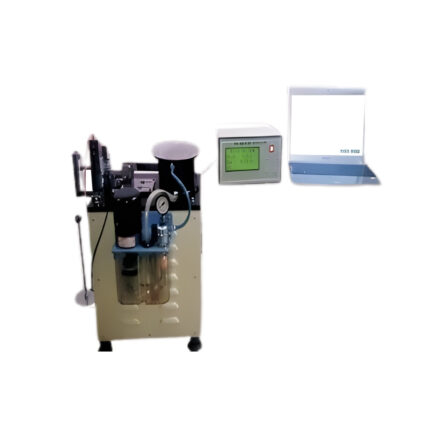
PIN ON DISC WEAR TESTING MACHINE
Technical Specifications (Typical)
-
Test Type: Dry / Lubricated sliding wear test
-
Principle: Pin-on-disc tribological method
-
Disc Diameter: 100–165 mm (customizable)
-
Disc Material: Hardened alloy steel (or as required)
-
Speed Range: 100 – 2000 RPM (variable)
-
Load Range: 5 N to 200 N (dead weight or lever loading system)
-
Wear Track Radius: Adjustable
-
Friction Force Measurement: Strain gauge / load cell based
-
Coefficient of Friction Display: Digital real-time display
-
Wear Measurement: Linear displacement sensor / LVDT
-
Motor: Variable speed DC / AC motor with controller
-
Data Display: Digital display / Computerized interface (optional)
-
Data Output: USB / Software-based data logging (optional)
-
Power Supply: 220–240V AC, 50 Hz
-
Safety Features: Guard cover, overload protection
-
Standards Compliance: ASTM G99 / ISO 7148 (or equivalent)
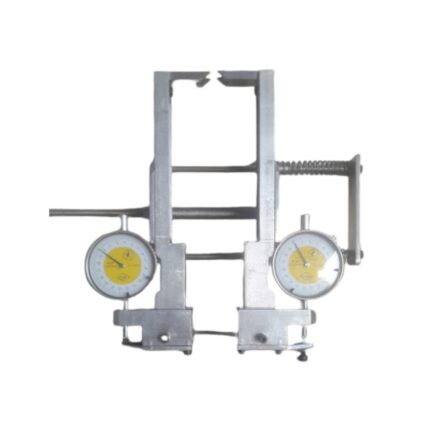
MECHANICAL EXTENSOMETER
Technical Specifications
-
Measurement Type: Linear elongation / strain measurement
-
Gauge Length Options: 25 mm, 50 mm, 100 mm, 200 mm (customizable)
-
Measuring Range: 0–5 mm / 0–10 mm (model dependent)
-
Least Count / Resolution: Up to 0.001 mm (with dial indicator)
-
Accuracy: ±0.5% or better
-
Output Type: Mechanical dial reading
-
Mounting: Knife-edge or clip-on attachment
-
Frame Material: Hardened steel / aluminum alloy
-
Contact Points: Replaceable knife edges
-
Compatibility: Universal Testing Machines (UTM), Tensile Testing Machines
-
Operation: Manual
-
Power Requirement: Not required
-
Application Standards: ASTM / ISO compliant models available
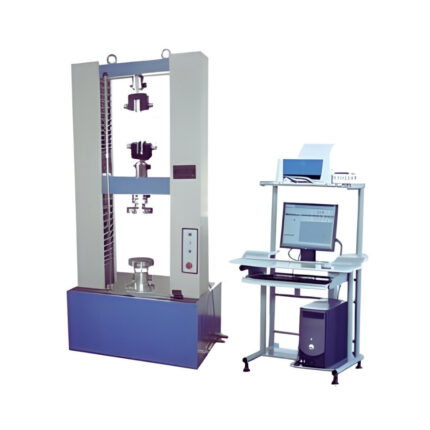
UNIVERSAL-TESTING-MACHINE
Technical Specifications
Load Capacity Range
-
From: 1 kN to 2000 kN (or higher depending on model)
-
Common ranges: 10 kN, 50 kN, 100 kN, 200 kN, 600 kN, 1000 kN
Machine Types
-
Electromechanical UTM
-
Servo Hydraulic UTM
-
Computerized / Digital UTM
Control Modes
-
Load control
-
Displacement control
-
Strain control
-
Pace rate control
Accuracy
-
Load accuracy: ±0.5% to ±1% of indicated load
-
Class 0.5 / Class 1 as per ISO standards
Load Measurement
-
High precision load cell
-
Multiple load cell options
Crosshead Travel
-
Typically 600–1200 mm (model dependent)
Speed Range
-
Very low to high test speeds
-
Example: 0.001 to 500 mm/min
Data Acquisition
-
Real-time force vs displacement curve
-
Stress–strain graph generation
-
PC based software with test reports
Safety Features
-
Overload protection
-
Emergency stop
-
Limit switches
-
Safety guards
Standards Compliance
-
ASTM
-
ISO
-
IS
-
EN
-
DIN
Common Tests Performed
-
Tensile test
-
Compression test
-
Flexural test
-
Shear test
-
Peel test
-
Tear test
-
Bend test
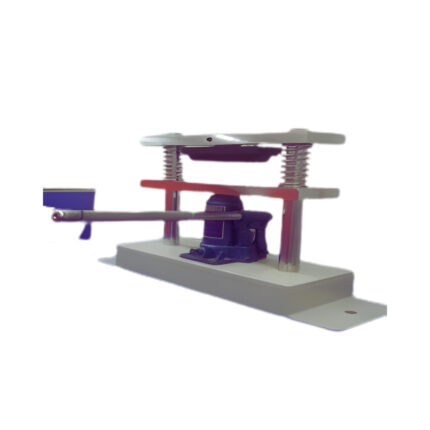
SAMPLE CUTTING PRESS
Technical Specifications
-
Operation Type: Manual / Hydraulic / Pneumatic
-
Capacity: 5 kN – 50 kN (or higher as per model)
-
Cutting Force Control: Lever / Hydraulic hand pump / Air pressure
-
Stroke Length: Adjustable stroke
-
Working Table: Hardened steel or aluminum base plate
-
Die Holder: Quick-change die holder
-
Cutting Area: Approx. 150 × 150 mm to 300 × 300 mm
-
Pressure Indication: Pressure gauge (for hydraulic/pneumatic models)
-
Frame Construction: Heavy-duty steel frame
-
Safety Features: Safety guard / Two-hand operation (model dependent)
-
Power Supply: Not required (manual) / 230V AC (motorized hydraulic)
-
Applications: Rubber, plastic sheets, foam, leather, paperboard, textile samples

COMPUTERIZED TENSILE TESTING MACHINE
Technical Specifications (Typical)
-
Capacity Range: 1 kN to 1000 kN (or higher on request)
-
Drive System: Servo motor / AC variable frequency drive / Hydraulic (as per model)
-
Load Measurement: High-precision strain gauge load cell
-
Accuracy: ±1% or better of indicated load
-
Crosshead Speed: 0.01 to 500 mm/min (programmable)
-
Speed Accuracy: ±1%
-
Stroke Length: 800 – 1200 mm (customizable)
-
Grips: Wedge, pneumatic, hydraulic, compression platens, bending fixtures
-
Control Mode: Load, displacement, and strain control
-
Software: PC-based testing software with graph plotting, test methods, and report generation
-
Data Output: Load vs extension, stress vs strain curves
-
Safety Features: Overload protection, limit switches, emergency stop
-
Power Supply: 230V / 415V AC, 50 Hz
-
Standards Compliance: ASTM E8, ASTM A370, ISO 6892, BIS standards
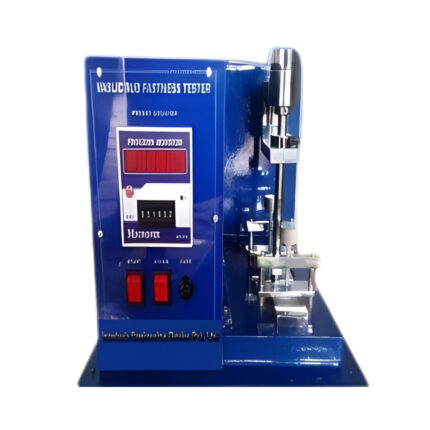
VASLIC RUB FASTNESS TESTER
Technical Overview
✔ Test Principle:
-
A wool felt rubbing pad (dry or wet) repeatedly rubs the sample surface under a specified pressure and stroke.
-
After a set number of cycles, color transfer and surface changes are assessed visually, typically using a grey scale for staining and color change.
✔ Typical Specifications
-
Rubbing Head Area: ~15 mm × 15 mm
-
Rubbing Speed: ~40 ± 2 cycles per minute
-
Rubbing Stroke: ~35–40 mm
-
Weight (Pressure): ~500 g finger + optional 500 g additional weight (total ~1000 g)
-
Sample Size: ~120 × 20 mm
-
Sample Tension Range: ~0–20 %
-
Power Supply: ~AC 220 V 50/60 Hz
-
Automatic Cycle Counter: Digital or mechanical with automatic stop upon reaching preset cycles
✔ Testing Conditions:
-
Dry rubbing
-
Wet rubbing (sample and/or felt soaked as per standard procedures)
✔ Compliance Standards:
Common standards this tester supports:
-
ISO 11640 – Colour fastness to rubbing (leather)
-
DIN 4843 – Leather colour fastness
-
SATRA TM173 / TM177 – Rubbing fastness methods
-
EN ISO 20344:7.3 – Footwear upper and lining tests
-
ISO 17700 Method A – Footwear material colour fastness

LEATHER ABRASION TEST MACHINE
Technical Specifications
| Parameter | Specification |
|---|---|
| Test Method | Martindale / Rotary Abrasion |
| Abrading Motion | Lissajous / Circular Motion |
| Test Stations | 4 / 6 / 8 (Optional) |
| Load Range | 9 kPa / 12 kPa (Standard Loads) |
| Abrasive Medium | Standard Wool Fabric / Sandpaper |
| Counter | Digital Preset Counter (0–99,999 Cycles) |
| Speed | 20–70 RPM (Adjustable) |
| Specimen Size | Ø38 mm / Ø140 mm |
| Pressure Application | Dead Weight System |
| Display | Digital LED / LCD |
| Control System | Microprocessor / PLC Based |
| Power Supply | 230V AC, 50 Hz |
| Safety Features | Emergency Stop, Overload Protection |
| Construction | Heavy-duty MS Frame with Powder Coating |
Salient Features
-
Accurate simulation of real wear conditions
-
Digital cycle counter with auto-stop function
-
Multiple test stations for higher productivity
-
User-friendly operation and low maintenance
-
Conforms to international testing standards
-
Rugged construction for continuous laboratory use
Applicable Standards
-
ISO 12947
-
ASTM D4966
-
BS 3424
-
DIN 53863
-
IUP 20 / IUP 60 (Leather Testing)
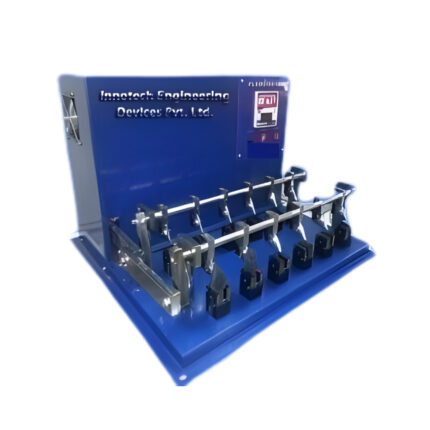
FLEXO- METER
Technical Specifications
-
Measuring Principle: Cantilever bending method
-
Test Parameter: Bending length / Stiffness
-
Specimen Width: Typically 25 mm (as per standards)
-
Specimen Length: Adjustable
-
Measurement Range: Suitable for low to high stiffness materials
-
Scale Type: Direct reading scale / Graduated scale
-
Accuracy: High precision with repeatable results
-
Operation: Manual / Semi-automatic (model dependent)
-
Construction: Rigid metal body with corrosion-resistant finish
-
Clamping System: Precision specimen holder for accurate positioning
-
Standards Compliance:
-
ISO 2493
-
TAPPI T489
-
BS 3748
-
Applications
-
Paper & Paperboard testing
-
Packaging material evaluation
-
Carton & corrugated box testing
-
Printing & publishing industry
-
Quality control & R&D laboratories
Reviews
There are no reviews yet.