
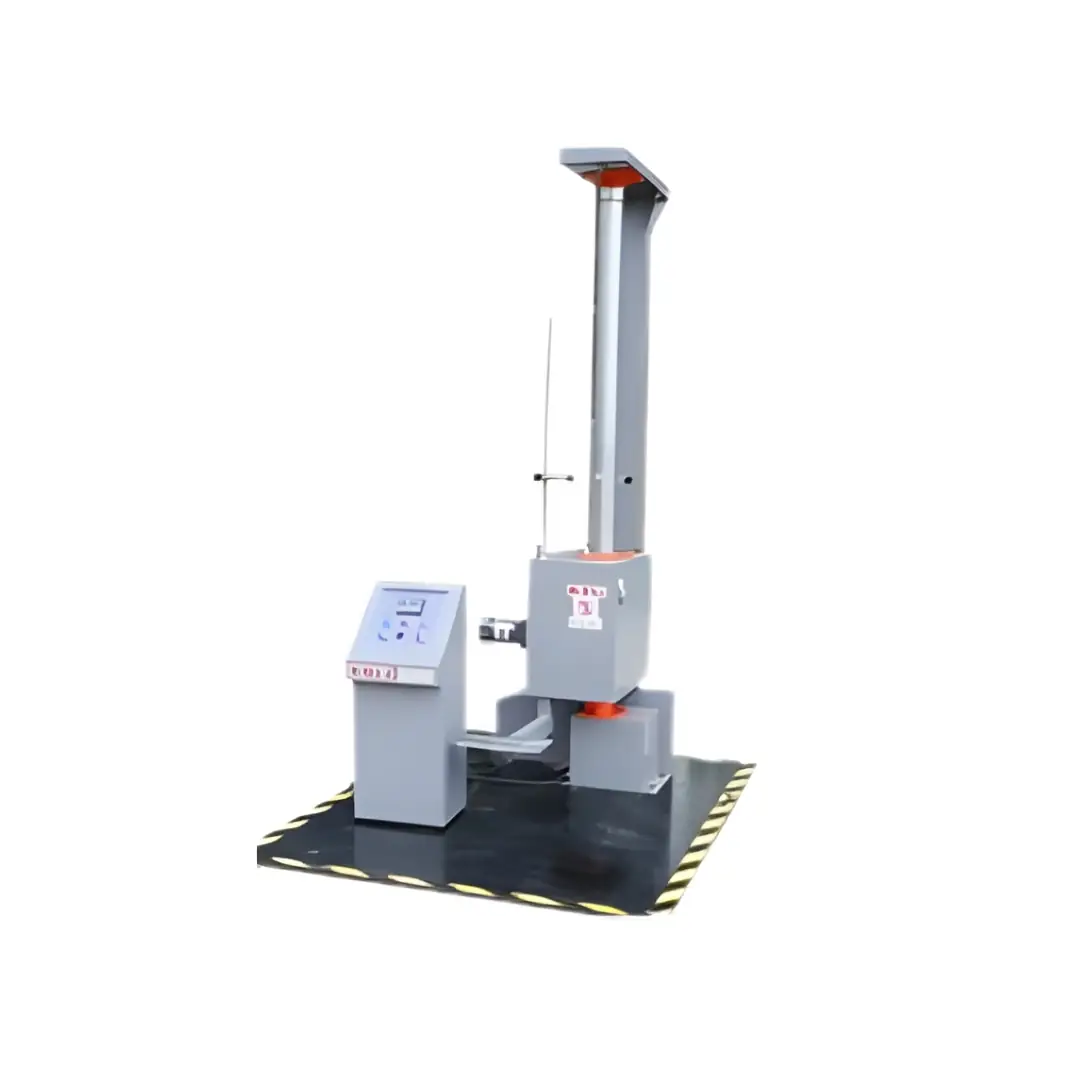
Single-Arm Packaging Drop Testing Machine
Single-Arm Packaging Drop Testing Machine
Single-Arm Packaging Drop Testing Machine is designed to evaluate the impact resistance and protective performance of packaged products during simulated dropping, handling and transportation conditions. It is suitable for testing cartons, boxes, containers, packaged products and other suitable packaging systems in packaging laboratories, manufacturing industries, quality-control departments, logistics applications and research facilities.
OVERVIEW
Description
Single-Arm Packaging Drop Testing Machine
The Single-Arm Packaging Drop Testing Machine is a packaging testing instrument designed to evaluate the ability of packages and packaged products to withstand impact caused by accidental drops during handling, transportation, loading and unloading. Packaging can experience sudden impacts at different stages of the distribution cycle, and controlled drop testing provides a practical way to evaluate packaging performance under simulated conditions.
ASTM D5276 is a recognized test method for evaluating loaded containers through free-fall drop testing and covers items such as boxes, cylindrical containers, bags and sacks. ISO 2248 is also associated with vertical impact testing of transport packages by dropping. The applicable test method should always be selected according to the product, package design and customer's testing requirements.
What is a Single-Arm Packaging Drop Testing Machine?
A Single-Arm Packaging Drop Testing Machine is equipment used to simulate the impact that a packaged product may experience when dropped from a specified height.
The machine uses a single-arm or single-wing mechanism to position and release the test package. The package is raised to the required test position and then released so that it experiences a free-fall impact against a rigid impact surface.
Working Principle
The working principle is based on controlled free-fall impact.
First, the package or packaged product is prepared according to the selected test procedure. The test specimen is positioned on the machine's drop mechanism and the required drop height is selected according to the applicable test requirement.
After the impact, the operator can inspect the package and product for visible or functional damage. Depending on the testing requirement, the package can be evaluated for deformation, opening, cracking, breakage, leakage, cushioning performance or damage to the product inside.
The general testing process includes:
1. Prepare the package or packaged product.
2. Position the specimen correctly on the machine.
3. Select the required test height.
4. Select the required drop orientation.
5. Raise the specimen to the selected position.
6. Release the specimen using the drop mechanism.
7. Allow the package to impact the test surface.
8. Inspect the package and its contents.
9. Record the observed results.
10. Compare the results with the applicable product or packaging requirements.
Key Features of Single-Arm Packaging Drop Testing Machine
Single-Arm Drop Mechanism
Controlled Drop Testing
Adjustable Test Height
Face, Edge and Corner Testing
Rigid Impact Surface
Industrial Construction
Practical Operation
Applications
1. Corrugated Box Testing
2. Carton Packaging Testing
3. Consumer Product Packaging
4. Electronic Product Packaging
5. Industrial Product Packaging
6. E-Commerce Packaging
7. Logistics and Transportation Packaging
8. Packaging Research and Development
Industries Using Packaging Drop Testing Machines
Single-Arm Packaging Drop Testing Machines can be useful across industries where packaged products need to withstand transportation and handling conditions.
- Packaging manufacturing
- Food and beverage packaging
- Consumer goods
- Electronics
- Electrical Products
- Automotive components
- Pharmaceutical & healthcare packaging
- Industrial equipments
- E-commerce
- Research & Development
- Quality Control Laboratories
The exact suitability depends on the size, weight, shape and packaging arrangement of the test specimen.
Types of Packaging That Can Be Evaluated
Depending on the machine's configuration and test capacity,
• Corrugated cartons
• Boxes
• Shipping containers
• Product packages
• Protective packaging systems
• Bags and sacks
• Suitable containers
• Consumer product packaging
• Industrial product packaging
• Other transport packages
The machine should be selected according to the dimensions and weight of the packages that need to be tested.
Face, Edge and Corner Drop Testing
A packaged product can experience impact on different parts of the package during real-world handling. Therefore, testing different orientations can provide additional information about package performance.
Face drop testing evaluates the response of a package when a broad surface contacts the impact surface.
Edge drop testing focuses on the structural response of an edge of the package.
Corner drop testing evaluates the performance of corners, which can be particularly important because corners may experience concentrated impact during handling.
The appropriate orientation and sequence should be selected according to the applicable test procedure and product requirements.
Packaging Drop Testing for Quality Control
Packaging manufacturers and product manufacturers can incorporate drop testing into their quality-control procedures.
• Test specimen identification
• Packaging configuration
• Test conditions
• Drop orientation
• Test height
• Observed damage
• Product condition
• Packaging condition
• Test result
• Corrective action where required
The exact information recorded should be based on the organization's testing procedure and applicable standard.
Packaging Drop Testing for Research and Development
The machine is also useful during packaging development.
R&D teams can compare alternative:
• Box designs
• Packaging materials
• Cushioning materials
• Internal supports
• Protective inserts
• Closure systems
• Product positioning arrangements
For example, two packaging designs can be subjected to comparable drop conditions and then inspected for package and product damage. This provides useful information for selecting and improving the packaging design.
Benefits of Single-Arm Packaging Drop Testing Machine
Simulates Handling Impact
The machine provides controlled drop impacts that can be used to simulate one type of mechanical shock experienced during transportation and handling.
Supports Packaging Development
Manufacturers can use testing results to identify areas where packaging design may require improvement.
Helps Evaluate Product Protection
The test can help determine whether the packaging provides suitable protection to the product during impact.
Supports Quality Control
Regular drop testing can form part of packaging inspection and quality-control procedures.
Comparative Testing
Different packaging designs and materials can be compared under defined test conditions.
Practical Laboratory Testing
The controlled test arrangement provides a repeatable environment for packaging evaluation when the procedure is properly defined and followed.
Standards and Test Methods for Packaging Drop Testing
Packaging drop testing can be performed according to different standards and customer-specific procedures.
ASTM D5276 is titled "Standard Test Method for Drop Test of Loaded Containers by Free Fall." ASTM states that the method is intended to evaluate a container's ability to withstand sudden shock from free-fall impact or to evaluate the ability of the container and inner packaging to protect its contents.
ISO 2248 is another recognized packaging test method associated with vertical impact testing by dropping. Commercial single-arm packaging drop testers are commonly offered for applications referencing ISO 2248 and ASTM D5276.
Important: the applicable standard and the exact compliance or conformity of a particular machine configuration should be confirmed against the machine's technical documentation and the customer's test requirements.
How to Select a Single-Arm Packaging Drop Testing Machine
Before selecting a packaging drop testing machine, users should consider the characteristics of the packages that will be tested.
Important factors include:
• Maximum specimen weight
• Package dimensions
• Required drop height
• Test orientation
• Face, edge and corner testing requirements
• Required test frequency
• Laboratory space
• Impact surface requirements
• Control system
• Safety arrangements
• Test procedure
• Applicable standards
• Future testing requirements
The machine should be selected based on the actual packaging applications rather than relying only on a general product description.
Single-Arm Packaging Drop Testing Machine for Material Testing Laboratories
Material testing and packaging laboratories can use the Single-Arm Packaging Drop Testing Machine as part of their packaging evaluation equipment.
It can support activities such as:
• Packaging performance evaluation
• Product protection testing
• Packaging design development
• Quality-control testing
• Comparative packaging studies
• R&D testing
• Transportation simulation studies
For laboratories performing multiple packaging tests, the machine can be integrated into a broader packaging testing workflow.
Manufacturer and Supplier of Packaging Drop Testing Machine in Bhiwadi, Rajasthan
Innotech Engineering Devices Private Limited is a manufacturer and supplier of testing equipment for industrial, laboratory, quality-control and research applications.
The Single-Arm Packaging Drop Testing Machine is suitable for organizations involved in packaging development, manufacturing, product testing, quality assurance and material testing.
As a Single-Arm Packaging Drop Testing Machine manufacturer and supplier in Bhiwadi, Rajasthan, Innotech Engineering Devices Private Limited can provide testing equipment according to application requirements.
Customers can discuss their package dimensions, specimen weight, required testing height, test orientation and applicable testing procedure to determine a suitable machine configuration.
Why Use a Packaging Drop Testing Machine?
Packaging failures can result in product damage during transportation and handling. Laboratory drop testing provides an opportunity to evaluate packaging before it is introduced into actual distribution conditions.
A controlled test environment can help organizations:
• Identify packaging weaknesses
• Improve protective packaging
• Compare packaging designs
• Evaluate cushioning arrangements
• Support quality-control procedures
• Reduce packaging-related product damage
• Improve packaging development decisions
• Document packaging performance
Drop testing should be considered as one part of a broader packaging evaluation program.
Frequently Asked Questions
What is a Single-Arm Packaging Drop Testing Machine?
A Single-Arm Packaging Drop Testing Machine is equipment used to evaluate the impact resistance and protective performance of packaged products by subjecting them to controlled free-fall drop tests.
What is the purpose of a packaging drop test?
The purpose is to evaluate how a package and its contents respond to sudden impact and to identify potential weaknesses in packaging design and product protection.
What packages can be tested?
Depending on the machine's capacity and configuration, suitable cartons, boxes, containers, bags, sacks and other transport packages can be tested.
Can the machine perform face, edge and corner drop tests?
Depending on the machine configuration and test arrangement, packaging can be evaluated through face, edge and corner impacts.
What is ASTM D5276?
ASTM D5276 is a standard test method for drop testing loaded containers by free fall. It covers drop testing of loaded boxes, cylindrical containers, bags and sacks.
What is ISO 2248?
ISO 2248 is a packaging test method associated with vertical impact testing of transport packages by dropping. The exact test procedure should be selected according to the applicable requirements.
Is a drop tester useful for packaging quality control?
Yes. Packaging drop testing can be incorporated into quality-control procedures to evaluate packaging performance and compare packaging configurations.
Can the machine be used for packaging R&D?
Yes. It can be used to compare different packaging designs, cushioning materials, protective inserts and packaging configurations during product development.
How do I select the right packaging drop testing machine?
Selection should consider package size, specimen weight, required drop height, testing orientations, applicable test methods, testing frequency and laboratory requirements.
Who manufactures Single-Arm Packaging Drop Testing Machines in Bhiwadi, Rajasthan?
Innotech Engineering Devices Private Limited manufactures and supplies testing equipment, including packaging testing solutions, for industrial and laboratory applications in India.
Can the machine be customized for specific packaging requirements?
Machine configuration can depend on the required package dimensions, weight, drop height, testing orientation and other application requirements. These requirements should be discussed before finalizing the machine configuration.
Is the machine suitable for transportation packaging evaluation?
Yes. Controlled drop testing is commonly used to evaluate the ability of transport packages to withstand sudden free-fall impacts encountered during handling and distribution.