
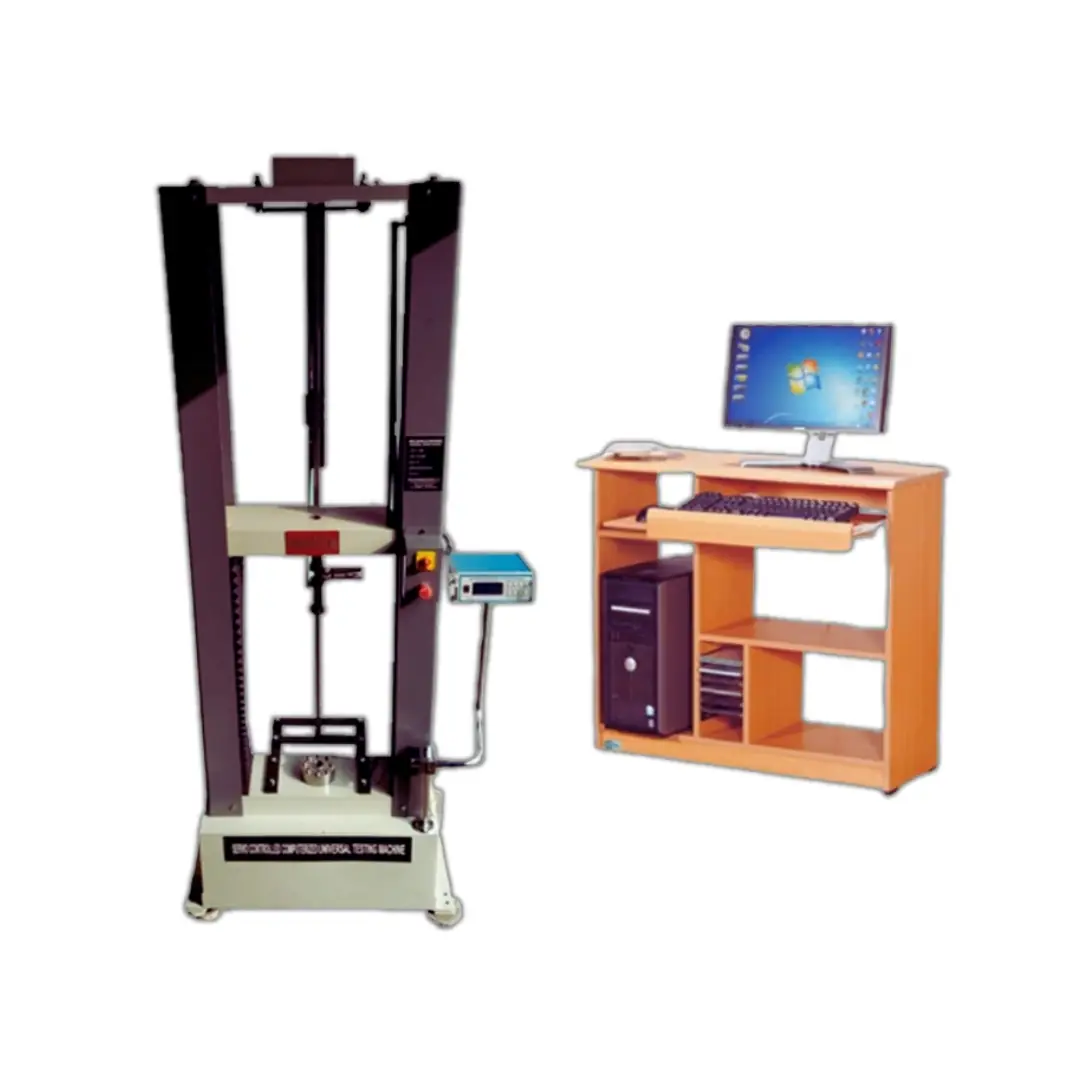
Servo Controlled Computerised Universal Testing Machine
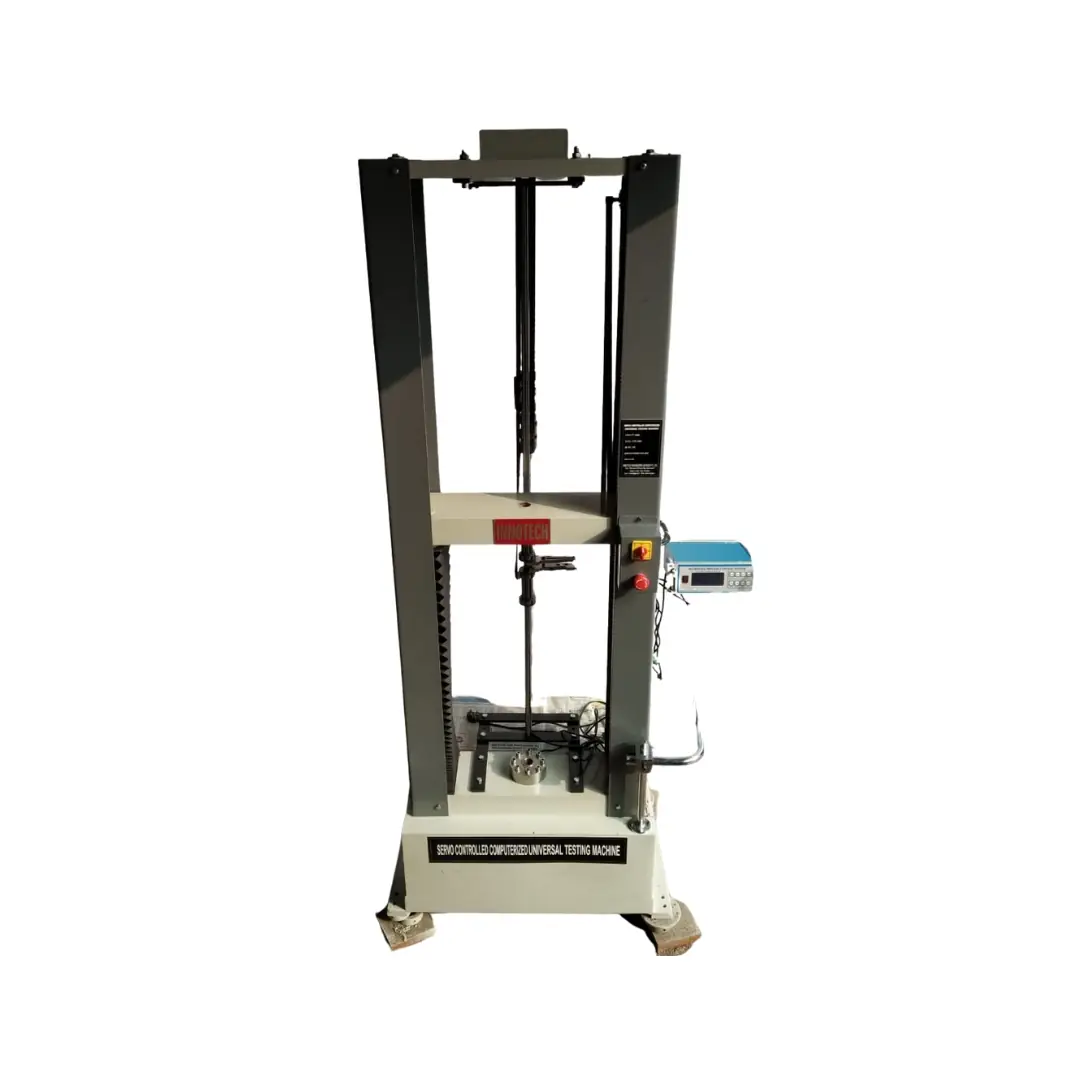
Servo Controlled Computerised Universal Testing Machine
Servo Controlled Computerised Universal Testing Machine is designed for accurate and controlled testing of materials and components under tensile, compression, bending and other mechanical loading conditions. The computerised system provides controlled test operation, measurement, data acquisition and analysis, making it suitable for material testing laboratories, manufacturing industries, automotive applications, research and development, and quality-control environments.
OVERVIEW
Description
Servo Controlled Computerised Universal Testing Machine
The Servo Controlled Computerised Universal Testing Machine is an advanced material testing system designed for evaluating the mechanical properties and performance of different materials and components under controlled loading conditions. Universal Testing Machines, commonly known as UTM machines, are widely used in material testing laboratories, manufacturing industries, automotive industries, engineering organizations, research laboratories and quality-control departments.
The servo-controlled and computerised configuration provides controlled movement and test operation together with digital measurement, data acquisition and computer-based analysis. This makes the machine suitable for applications where controlled testing, repeatability, data recording and detailed evaluation of test results are important.
What is a Servo Controlled Computerised UTM?
A Servo Controlled Computerised Universal Testing Machine is a material testing machine used to determine the mechanical behaviour of materials when subjected to controlled forces. Depending on the machine configuration and suitable fixtures, it can be used for tensile, compression, bending, flexural and other mechanical tests.
The servo-controlled system allows the testing process to be controlled according to the selected test requirements. The computerised system can be used for monitoring test parameters, collecting test data and presenting test results for analysis and documentation.
Universal testing machines are called "universal" because the same basic testing system can be configured for different types of mechanical tests by using suitable grips, fixtures and accessories.
Working Principle of Servo Controlled Computerised UTM
The basic working principle of a Universal Testing Machine involves applying a controlled mechanical load to a test specimen while measuring the specimen's response.
For a typical tensile test, the specimen is securely held between suitable grips. The machine then applies controlled movement and force to the specimen. As the specimen is loaded, the system measures the relevant test parameters and records the response.
For compression or bending applications, appropriate fixtures are installed and the specimen is positioned according to the selected test arrangement.
The servo-controlled system provides controlled operation of the testing process, while the computerised data-acquisition system allows test information to be monitored and recorded.
The general testing process includes:
1. Preparation of the test specimen.
2. Selection of the appropriate test arrangement.
3. Installation of suitable grips or fixtures.
4. Positioning of the specimen.
5. Selection of the required test parameters.
6. Controlled application of the test load.
7. Measurement and recording of the specimen response.
8. Computer-based monitoring and data acquisition.
9. Analysis of the collected test information.
10. Generation or storage of test results and reports as required.
Key Features
Servo Controlled Testing
The servo-controlled system provides controlled machine operation during mechanical testing and supports consistent test conditions.
Computerised Data Acquisition
The computerised arrangement enables test data to be collected and monitored during the testing process.
Multiple Testing Applications
With suitable grips and fixtures, the machine can be configured for different mechanical testing applications such as tensile, compression and bending tests.
Controlled Test Operation
The system is designed to provide controlled movement and loading according to the selected test requirements.
Test Data Monitoring
Relevant test parameters can be monitored during the test, helping users evaluate material behaviour and test performance.
Data Analysis and Reporting
Computerised testing systems can support analysis and documentation of test results for laboratory and quality-control applications.
Laboratory and Industrial Use
The machine is suitable for material testing laboratories, manufacturing facilities, research organizations, educational institutions and industrial quality-control environments.
Tests Performed Using a Universal Testing Machine
Depending on the machine configuration, suitable grips, fixtures and software, a Universal Testing Machine can be used for several mechanical testing applications.
Tensile Testing
Tensile testing is used to evaluate how a material behaves when subjected to a pulling force. Depending on the test requirements, parameters such as load, displacement and material response can be evaluated.
Compression Testing
Compression testing evaluates the behaviour of suitable materials and specimens when subjected to compressive loading.
Flexural and Bending Testing
With appropriate fixtures, the machine can be configured for bending or flexural testing of suitable materials and components.
Other Mechanical Tests
Additional testing applications may be possible depending on the machine configuration, grips, fixtures, software and requirements of the user.
Materials Suitable for Universal Testing
Universal Testing Machines can be configured for testing a wide variety of materials and engineering products. Depending on the machine configuration and test method, applications may include:
• Metals and alloys
• Steel
• Aluminium and aluminium alloys
• Plastics
• Polymers
• Rubber and elastomeric materials
• Composites
• Wires and cables
• Engineering components
• Construction-related materials
• Other suitable materials and products
The appropriate grips, fixtures and testing arrangement should be selected according to the material and intended test.
Applications
Material Testing Laboratories
Material testing laboratories use Universal Testing Machines to evaluate mechanical properties and behaviour of different materials under controlled loading conditions.
Automotive Industry
The machine can be used for mechanical testing of suitable automotive materials, components and parts during product development and quality-control activities.
Manufacturing Industries
Manufacturing companies can use UTM systems for incoming material inspection, production quality control, product verification and material evaluation.
Research and Development
Computerised UTM systems can support research and development activities where detailed mechanical testing and data analysis are required.
Quality Control
The machine can form part of a quality-control system for evaluating material and component performance against defined internal or application-specific requirements.
Educational and Technical Institutions
Universal Testing Machines can also be used in engineering colleges, technical institutions and laboratories for practical material-testing education and demonstrations.
Importance
Computerised testing provides several advantages for laboratories that require organized test data and repeatable testing procedures. Instead of relying only on manual observations, a computerised system can collect and display relevant test information during the test.
This can help laboratories with:
• Test data recording
• Test-result analysis
• Graphical presentation of test behaviour
• Digital data management
• Test documentation
• Comparison of test results
• Quality-control records
• Research and
FAQ
What tests can be performed using a Universal Testing Machine?
Depending on the machine configuration, grips and fixtures, a Universal Testing Machine can be used for tensile testing, compression testing, bending testing, flexural testing and other suitable mechanical tests.
What materials can be tested using a Servo Controlled UTM?
Depending on the selected configuration, the machine can be used for testing suitable metals, alloys, plastics, polymers, rubber, composites, wires, cables and other engineering materials.
What is the advantage of servo control in a Universal Testing Machine?
Servo control provides controlled machine movement and loading during the testing process. This helps laboratories perform testing according to defined test requirements and maintain consistent test conditions.
Why is a computerised UTM useful for material testing?
A computerised UTM can collect and monitor test data electronically and support graphical analysis, result evaluation, data recording and test reporting, depending on the software configuration.
Can this UTM perform both tensile and compression testing?
Yes. A Universal Testing Machine can generally be configured for tensile and compression testing using suitable grips, platens and fixtures. The exact testing capabilities depend on the selected machine configuration.
Is a Servo Controlled Computerised UTM suitable for laboratories?
Yes. It is suitable for material testing laboratories, research and development facilities, manufacturing industries, quality-control departments, automotive applications and engineering organizations.
Can the UTM be used for flexural testing?
Yes. With the appropriate fixtures and test configuration, the Universal Testing Machine can be used for suitable flexural and bending tests.
What should be considered when selecting a Servo Controlled UTM?
Important considerations include the required test types, material being tested, specimen dimensions, expected loading requirements, grips and fixtures, measurement requirements, software features, data acquisition and future testing needs.
Does the machine provide computerised test results?
The computerised configuration can support digital data acquisition, monitoring, analysis and reporting. The exact software functions depend on the selected system configuration.
Who manufactures Servo Controlled Computerised Universal Testing Machines?
Innotech Engineering Devices Private Limited manufactures and supplies material testing and laboratory testing equipment, including Servo Controlled Computerised Universal Testing Machine solutions for industrial and laboratory applications.