
What Is a Compression Testing Machine? Uses, Working and Selection Guide
Jay Pal Singh
30 September 2026
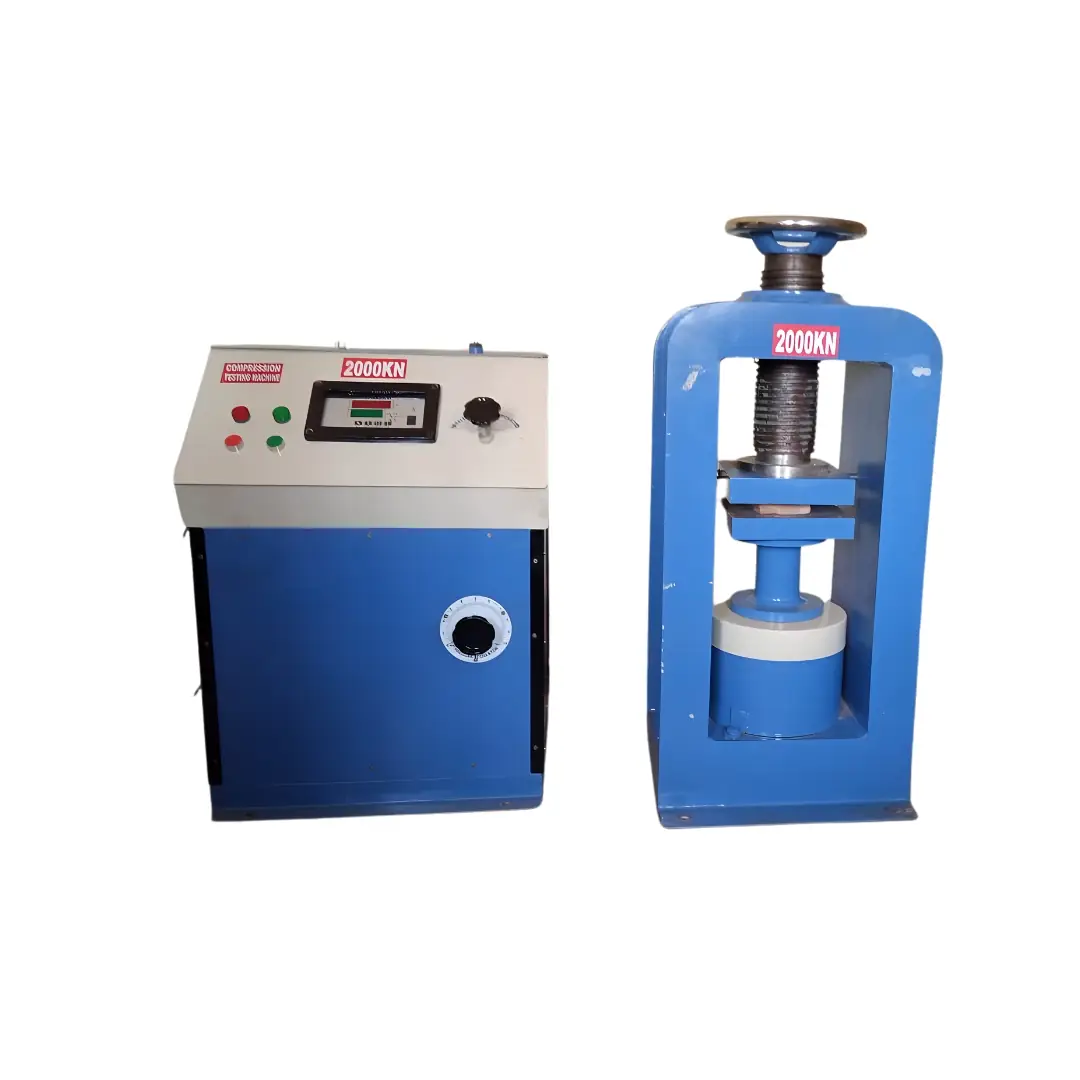
What Is a Compression Testing Machine? Uses, Working and How to Choose One
What happens when a material is pressed under a heavy load? Will it keep its shape, bend or break?
A Compression Testing Machine helps answer this question. It applies a controlled compressive force to a test sample and measures how the material responds.
This test is useful in construction, manufacturing, material testing laboratories and quality-control departments. It helps engineers and manufacturers check whether a material can handle the load expected in its intended application.
In this blog, we will explain what a compression testing machine is, how it works, where it is used and what you should check before choosing one.
What Is a Compression Testing Machine?
A compression testing machine is a testing instrument used to measure how a material behaves when a compressive force is applied to it.
In simple words, the machine presses a test sample between two surfaces and measures the force applied during the test.
The material may become shorter, change shape or break when the applied force increases. The machine helps measure its response under compression.
Compression testing machines are available for different materials and applications. Depending on the machine design, they may be used to test concrete, cement-based materials, bricks, stones, metals, plastics and other suitable materials.
The correct machine depends on the material being tested and the required test method.
How Does a Compression Testing Machine Work?
The working principle is simple: the machine applies a controlled compressive load to a test specimen and measures the response.
The general testing process involves these steps:
1. Prepare the Test Sample
A sample is prepared according to the requirements of the selected test method. Its dimensions and condition should be suitable for the test.
2. Place the Sample in the Machine
The sample is positioned correctly between the machine's loading surfaces or platens. Proper positioning helps apply the load as required by the test method.
3. Apply the Compressive Load
The machine gradually applies force to the sample. The force is increased according to the selected test procedure.
4. Measure the Test Results
The machine records the applied load and may measure deformation, depending on its configuration.
The test continues according to the required procedure, which may end when the sample fails or when the specified test condition is reached.
5. Review the Results
The recorded results are reviewed to understand how the material performed under compression. These results can help with material comparison, product development and quality control.
What Is Compressive Strength?
Compressive strength describes the maximum compressive stress a material can withstand under a specified test before failure, according to the applicable test method.
It is an important property for materials that must carry loads without crushing or failing.
For example, concrete used in construction must be tested to check its ability to withstand compressive loads.
A basic relationship used to calculate compressive stress is:
Compressive stress = Applied force ÷ Cross-sectional area
The result is commonly expressed in units such as megapascals (MPa) or newtons per square millimetre (N/mm²).
The exact calculation and reported result depend on the material, specimen shape and applicable test method.
What Materials Can Be Tested Using a Compression Testing Machine?
The materials that can be tested depend on the machine's capacity, design, fixtures and test procedure.
Common applications include:
• Concrete: Testing concrete cubes or cylinders for compressive strength using a suitable machine.
• Cement-Based Materials: Evaluating suitable cement mortar or related specimens.
• Bricks and Blocks: Checking the compressive performance of suitable masonry products.
• Natural Stone: Evaluating the compressive behaviour of stone specimens.
• Metals: Testing the behaviour of suitable metal specimens under compressive loading.
• Plastics and Polymers: Studying compression behaviour using equipment suitable for the material and required test method.
• Other Materials: Testing other suitable samples when the machine configuration and test procedure support the application.
One machine is not automatically suitable for every material. Always confirm that the equipment can perform the intended test.
Applications of Compression Testing Machines
Compression testing is used in several industries to evaluate material performance.
Construction Industry
Construction laboratories use suitable compression testing machines to test concrete and other construction materials. The results help assess whether specimens meet the required strength criteria.
Cement and Building Materials
Testing laboratories can use compression testing to evaluate suitable cement-based specimens, bricks, blocks and other building materials.
Manufacturing Industry
Manufacturers may use compression testing to study how components and materials behave when exposed to compressive loads during use.
Quality Control Laboratories
Quality-control teams use test results to compare materials, inspect production quality and check compliance with specified requirements.
Research and Development
Research teams can use compression testing to study material behaviour, compare different formulations and support product development.
Different Types of Compression Testing Machines
Compression testing machines are available in different designs to suit different materials and test requirements.
Concrete Compression Testing Machine
This machine is designed for compressive strength testing of suitable concrete specimens, such as cubes or cylinders, depending on the model and test arrangement.
It is commonly used in construction material testing laboratories and quality-control facilities.
Cement Compression Testing Machine
Suitable cement compression testing arrangements are used to evaluate the compressive strength of specified cement-based specimens, such as mortar specimens.
The machine and accessories must match the required test method.
Universal Testing Machine with Compression Testing Facility
A Universal Testing Machine (UTM) can perform compression testing when it has the required compression fixtures, capacity and suitable controls.
UTMs can also perform other types of mechanical tests, depending on their configuration.
Important: Before choosing a machine, confirm the material, specimen dimensions, required load range and applicable test method.
How to Choose the Right Compression Testing Machine
Choosing the correct machine is important for obtaining useful and reliable test results. Before purchasing equipment, consider the following points.
1. Material to Be Tested
First, identify the material you need to test. A machine designed for concrete may have a different configuration from one used for plastics or metals.
2. Required Load Capacity
Check the maximum load expected during testing. The machine should have a suitable capacity for the intended application.
Do not select capacity based only on the assumption that a higher rating is always better. Consider the actual test range and measurement requirements.
3. Specimen Size and Shape
Check the dimensions and shape of your samples. The loading area, platens and accessories should accommodate the specimens correctly.
4. Accuracy and Measurement Range
Review the machine's specified measurement accuracy and usable load range. These should be suitable for the required test method.
5. Manual, Digital or Computerised Operation
Consider how you want to operate the machine and record results.
• Manual systems may suit certain basic testing requirements.
• Digital systems can provide a display for monitoring test parameters.
• Computerised systems may support data recording and analysis, depending on the software and configuration.
Choose according to your laboratory's needs rather than features you may not use.
6. Test Standards and Procedures
If your laboratory follows a specific test standard or customer procedure, confirm that the machine, accessories and operating range are suitable for that requirement.
7. Installation and After-Sales Support
Before purchasing, ask about installation requirements, operator training, maintenance, calibration support and service availability.
These details can help you plan for long-term equipment use.
Common Mistakes to Avoid When Buying a Compression Testing Machine
A machine may look suitable but still fail to meet your actual testing needs. Avoid these common mistakes:
• Choosing a machine without confirming the material to be tested.
• Selecting an unsuitable load capacity.
• Ignoring specimen dimensions and required accessories.
• Assuming every compression testing machine can test every material.
• Overlooking measurement accuracy and the required load range.
• Failing to confirm compatibility with the required test procedure.
• Ignoring installation, maintenance and service requirements.
Discussing these points with the equipment supplier before ordering can help you make a more informed decision.
Why Is Compression Testing Important?
Compression testing provides information about how a material responds to a pushing or crushing force.
The results can help laboratories and manufacturers:
• Evaluate compressive strength.
• Compare different materials or samples.
• Check product quality.
• Support material selection.
• Review product performance.
• Identify whether a sample meets specified test requirements.
• Support research and product development.
The results should always be interpreted according to the relevant test method and acceptance criteria.
Compression Testing Machines by Innotech Engineering Devices Private Limited
Innotech Engineering Devices Private Limited manufactures and supplies material testing and industrial testing equipment.
If you are looking for a compression testing machine, first identify the material you need to test, the required load capacity and the applicable test procedure.
Our team can discuss your testing requirements and help you explore a suitable machine configuration based on the intended application and available specifications.
Need a compression testing machine for your laboratory or quality-control facility?
Contact Innotech Engineering Devices Private Limited to discuss your requirements.
Phone: 9810431604
Email: info@innotechgroup.net
Website: https://innotechgroup.net
Frequently Asked Questions
What is a compression testing machine used for?
A compression testing machine is used to evaluate how a material responds to a compressive force. It measures the applied load and may measure deformation, depending on the machine configuration.
What is the working principle of a compression testing machine?
The machine applies a controlled compressive load to a test sample positioned between loading surfaces. The applied force and the sample's response are measured according to the selected test procedure.
Which materials can be tested using a compression testing machine?
Depending on the machine and test method, suitable materials may include concrete, cement-based specimens, bricks, stones, metals, plastics and other materials.
What is compressive strength?
Compressive strength describes the maximum compressive stress a material can withstand under a specified test before failure, as defined by the applicable test method.
How do I select the capacity of a compression testing machine?
Consider the expected test load, material type, specimen dimensions, measurement requirements and applicable test procedure. The selected capacity should suit the intended application.
Can one compression testing machine test concrete and metals?
Not necessarily. The machine's capacity, design, fixtures, measurement range and test procedure must be suitable for each material. Confirm these requirements before using the same machine for different applications.
What is the difference between a compression testing machine and a Universal Testing Machine?
A compression testing machine is designed for compressive testing applications. A Universal Testing Machine can perform compression testing and other tests, such as tensile testing, when configured with the required fixtures and accessories.
Is calibration important for a compression testing machine?
Yes. Appropriate calibration helps assess whether the machine's force measurements meet the required accuracy criteria. Calibration should be performed according to the equipment requirements and applicable procedures.
What should I check before buying a compression testing machine?
Check the material type, load capacity, specimen size, measurement accuracy, operating system, required test procedure, accessories, installation needs and after-sales support.
Conclusion
A compression testing machine helps determine how materials behave when subjected to a pushing or crushing force. It is widely used in construction, manufacturing, material testing laboratories and quality-control applications.
Before selecting a machine, check the material to be tested, required load capacity, specimen dimensions and applicable test procedure. These details will help you identify equipment that suits your actual testing needs.
For assistance with your testing requirements, contact Innotech Engineering Devices Private Limited to discuss suitable compression testing equipment for your application.
Category: Compression Testing Machines
Tags: Compression Testing Machine, Compression Testing Equipment, Compression Test Machine, Compressive Strength Testing, Material Testing Equipment, Material Testing Machine, Industrial Testing Equipment, Laboratory Testing Equipment, Compression Testing Labor
Last Updated: 30 September 2026