
How to Choose the Right UTM Capacity for Your Testing Laboratory
Innotech Engineering Devices Private Limited
17 September 2026
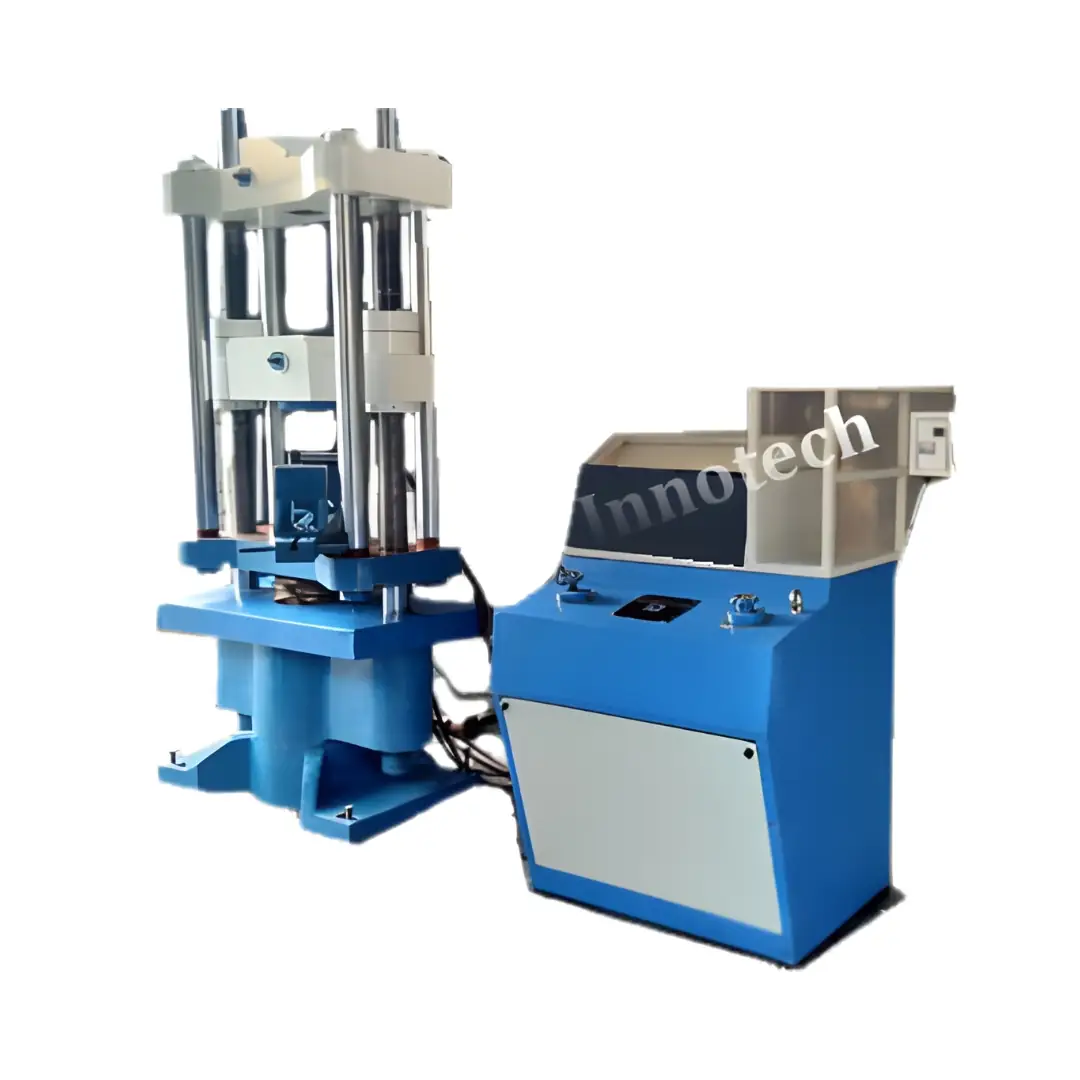
How to Choose the Right UTM Capacity for Your Testing Laboratory
Choosing the right Universal Testing Machine (UTM) capacity is an important decision for any material testing laboratory. The machine capacity determines the maximum testing load that can be applied during tensile, compression, bending and other mechanical tests.
Selecting a UTM only on the basis of the highest available capacity is not always the right approach. A testing laboratory should consider the materials being tested, expected test loads, specimen dimensions, applicable test procedures, testing frequency and future requirements before selecting a machine.
This guide explains the major factors that laboratories should consider when choosing the appropriate UTM capacity.
What Is UTM Capacity?
UTM capacity generally refers to the maximum force or load that a Universal Testing Machine is designed to apply during testing. It is commonly expressed in units such as kN, N or tonnes-force, depending on the machine and application.
For example, a laboratory may require a UTM with a relatively low capacity for testing plastics, films or small specimens, while applications involving metals, concrete, structural components or high-strength materials may require substantially higher capacities.
The required capacity therefore depends on the material and type of testing being performed.
Why Is Selecting the Correct UTM Capacity Important?
Selecting the appropriate capacity is important for obtaining reliable and useful test results.
A machine that is too small may not be capable of applying the required test load. On the other hand, selecting an unnecessarily high-capacity machine may not provide the most suitable measurement range for lower-load testing.
A laboratory should therefore consider both the maximum expected test load and the measurement requirements across its normal testing range.
Factors to Consider When Choosing UTM Capacity
Type of Material Being Tested
The first consideration is the type of material that will be tested.
Different materials have different strength and deformation characteristics. Plastics, rubber, polymers, metals, composites, wires, cables and construction materials may require different testing capacities and fixtures.
Before selecting a UTM, prepare a list of the materials and products that the laboratory expects to test regularly.
Maximum Expected Test Load
The maximum expected load is one of the most important factors in selecting UTM capacity.
Determine the highest force expected during the intended tests and select a machine with an appropriate capacity above the maximum anticipated requirement.
The selected capacity should provide sufficient operating margin without unnecessarily oversizing the machine.
Type of Test
The required UTM capacity also depends on the type of test being performed.
Common UTM applications include:
• Tensile testing
• Compression testing
• Flexural testing
• Bending testing
• Elongation testing
• Load-deflection testing
• Breaking force testing
• Yield strength testing
• Proof load testing
• Component testing
A laboratory performing multiple types of tests should consider the load requirements of each test before selecting the machine.
Specimen Size and Dimensions
Specimen dimensions are another important consideration.
The machine should have a suitable testing space, crosshead travel, throat clearance and gripping arrangement for the specimens being tested.
Capacity alone does not determine whether a UTM is suitable. A machine may have adequate force capacity but still require a different frame size or fixture arrangement for a particular specimen.
Required Fixtures and Grips
Different materials require different grips, fixtures and attachments.
For example, tensile testing of flat specimens may require wedge or suitable grips, while wire, rope or other specialized samples may require dedicated gripping arrangements.
Compression, flexural and bending tests may also require specific fixtures.
Therefore, the laboratory should consider not only UTM capacity but also the accessories required for its testing program.
Testing Standards and Procedures
The applicable testing standard or laboratory procedure should be considered before selecting a UTM.
Different test methods can specify requirements related to loading, specimen dimensions, gripping, test speed, measurement and other parameters.
The laboratory should identify the relevant standards for its materials and products and ensure that the proposed UTM configuration is suitable for those procedures.
Load Measurement and Accuracy
Load measurement is an important part of a UTM.
When selecting a machine, laboratories should consider the required load measurement range, accuracy, resolution and calibration requirements.
For applications involving a wide range of test loads, the measurement system and load-cell configuration should be considered carefully.
Test Speed and Displacement Requirements
Some testing applications require controlled crosshead movement or specific test speeds.
The laboratory should determine the required test speed range and displacement requirements for its intended applications.
A UTM selected for multiple applications should provide a suitable operating range for the tests that the laboratory performs.
Future Testing Requirements
A UTM is often a long-term investment for a testing laboratory.
When selecting capacity, consider not only today's testing requirements but also the types of materials and products the laboratory may test in the future.
For example, a laboratory that currently tests low-strength materials may later expand into higher-strength materials or component testing.
Planning for future requirements can help reduce the need for an immediate machine upgrade.
Laboratory Space
The physical size of the UTM should also be considered.
The laboratory should have sufficient space for the machine, operator access, fixtures, specimens and associated equipment.
The available electrical supply and installation requirements should also be considered during machine selection.
Common UTM Capacity Ranges
UTMs are available in different capacities to suit different testing applications. Typical laboratory and industrial configurations may include machines in capacities such as:
• 10 kN
• 20 kN
• 50 kN
• 100 kN
• 200 kN
• 300 kN
• 500 kN
• 1000 kN and higher
These are examples of commonly encountered capacity classes rather than a recommendation for a particular application. The appropriate capacity should be determined from the actual test requirements.
How to Calculate the Required UTM Capacity
A simple approach is to identify the maximum expected force for each planned test.
For example:
Test A – Maximum expected load: 40 kN
Test B – Maximum expected load: 75 kN
Test C – Maximum expected load: 90 kN
In this example, the laboratory should evaluate a machine capacity that can safely accommodate the highest required test load while providing an appropriate measurement range and operating margin.
The final selection should also consider the test method, specimen dimensions, fixtures and measurement requirements.
UTM Capacity vs Test Range
UTM capacity and usable test range should not be treated as exactly the same thing.
A UTM may have a maximum capacity, but the laboratory may perform many tests at loads substantially below that maximum.
Therefore, the load measurement system, load cell selection and measurement resolution are important when a laboratory performs tests across a wide load range.
For laboratories with significantly different testing requirements, interchangeable load cells or application-specific configurations may be considered where appropriate.
Should You Choose a Higher Capacity UTM?
A higher-capacity UTM is not automatically the better choice.
The machine should be selected based on the laboratory's actual and anticipated testing requirements.
Choosing a capacity that is substantially higher than necessary may not be the most efficient approach for applications primarily involving low test loads.
The objective should be to select a machine that provides the required capacity, suitable measurement performance, appropriate test space and the necessary accessories.
Servo Controlled UTM vs Conventional UTM
Modern testing laboratories may also consider servo-controlled or computer-controlled UTM systems.
Servo-controlled electro-hydraulic UTMs can provide controlled loading and testing for applications requiring higher capacities and precise test sequences.
Electromechanical or other UTM configurations may be suitable for lower-force applications depending on the material and test requirements.
The choice between machine types should therefore be based on the required force, speed, control, test method and laboratory application.
UTM Capacity for Different Materials
The appropriate UTM capacity varies significantly depending on the material and specimen.
For example:
Plastics and polymers may generally require lower test forces compared with structural metals.
Rubber and elastomer testing may involve relatively low loads but can require significant deformation and specialized grips.
Metals may require higher capacities depending on specimen dimensions, material strength and test method.
Construction materials and structural components can require substantially higher forces, particularly for compression and flexural applications.
Because of these differences, laboratories should select UTM capacity based on actual test requirements rather than material name alone.
Questions to Ask Before Buying a UTM
Before purchasing a Universal Testing Machine, a laboratory should identify:
• What materials will be tested?
• What is the maximum expected test load?
• What types of tests will be performed?
• What specimen dimensions will be used?
• What test speeds are required?
• What grips and fixtures are required?
• What measurement range is needed?
• Are computerized controls required?
• Is servo control required?
• What testing standards need to be followed?
• What future testing applications are expected?
• What laboratory space is available?
Answering these questions can make the equipment selection process more systematic.
Why Consult a UTM Manufacturer?
UTM manufacturers can help laboratories match the machine configuration to their intended testing applications.
The discussion should cover capacity, load measurement, test space, fixtures, controls, software, test speed and other relevant requirements.
Providing the manufacturer with information about the materials, specimen dimensions and test procedures can help in developing a more suitable machine configuration.
Innotech Engineering Devices Private Limited provides Universal Testing Machines and material testing equipment for laboratory and industrial applications. UTM configurations can be selected according to the required testing capacity, application, fixtures, controls and testing requirements.
Conclusion
Choosing the right UTM capacity requires more than simply selecting the machine with the highest load rating. The laboratory should evaluate its materials, test methods, maximum expected loads, specimen dimensions, fixtures, measurement requirements and future testing needs.
A properly selected Universal Testing Machine can support reliable laboratory testing across the intended application range while providing the required flexibility for quality control, research and development and material evaluation.
For laboratories planning to purchase a new UTM, the most useful starting point is to prepare a detailed list of current and future tests and discuss those requirements with an experienced testing-machine manufacturer.
Frequently Asked Questions
What is UTM capacity?
UTM capacity is the maximum force or load that a Universal Testing Machine is designed to apply during a test.
How do I choose the right UTM capacity?
Consider the maximum expected test load, material, test type, specimen dimensions, required fixtures, measurement range, applicable test procedures and future laboratory requirements.
Is a higher-capacity UTM always better?
No. The machine should be selected according to the laboratory's actual testing requirements. Measurement performance at the expected operating range is also important.
What UTM capacity is suitable for a material testing laboratory?
There is no single capacity suitable for every laboratory. The appropriate capacity depends on the materials, specimens and tests the laboratory performs.
Can one UTM perform tensile and compression tests?
Yes. With suitable fixtures and machine configuration, a UTM can perform tensile, compression and other mechanical tests.
Does specimen size affect UTM selection?
Yes. Specimen dimensions can affect the required testing space, grips, fixtures, crosshead travel and frame configuration.
What is the difference between UTM capacity and load-cell range?
UTM capacity refers to the maximum designed machine force, while the load cell determines the force measurement range and measurement characteristics used during testing.
Should future testing requirements be considered?
Yes. Since a UTM can be a long-term laboratory investment, anticipated future applications should be considered when selecting the machine.
Can UTM machines be customized?
Yes. Depending on the application, configurations such as capacity, grips, fixtures, controls, software and other accessories can be selected according to testing requirements.
Who manufactures UTM machines in India?
Innotech Engineering Devices Private Limited manufactures and supplies Universal Testing Machines and material testing equipment for laboratory and industrial applications.
Category: Material Testing Laboratory
Tags: Universal Testing Machine, UTM Machine, UTM Capacity, Material Testing, Tensile Testing, Compression Testing, Testing Laboratory, Material Testing Equipment, UTM Selection Guide
Last Updated: 30 September 2026