
What is Flexural Strength Testing Machine? Working Principle, Applications and Benefits
Innotech Engineering Devices Private Limited
17 September 2026
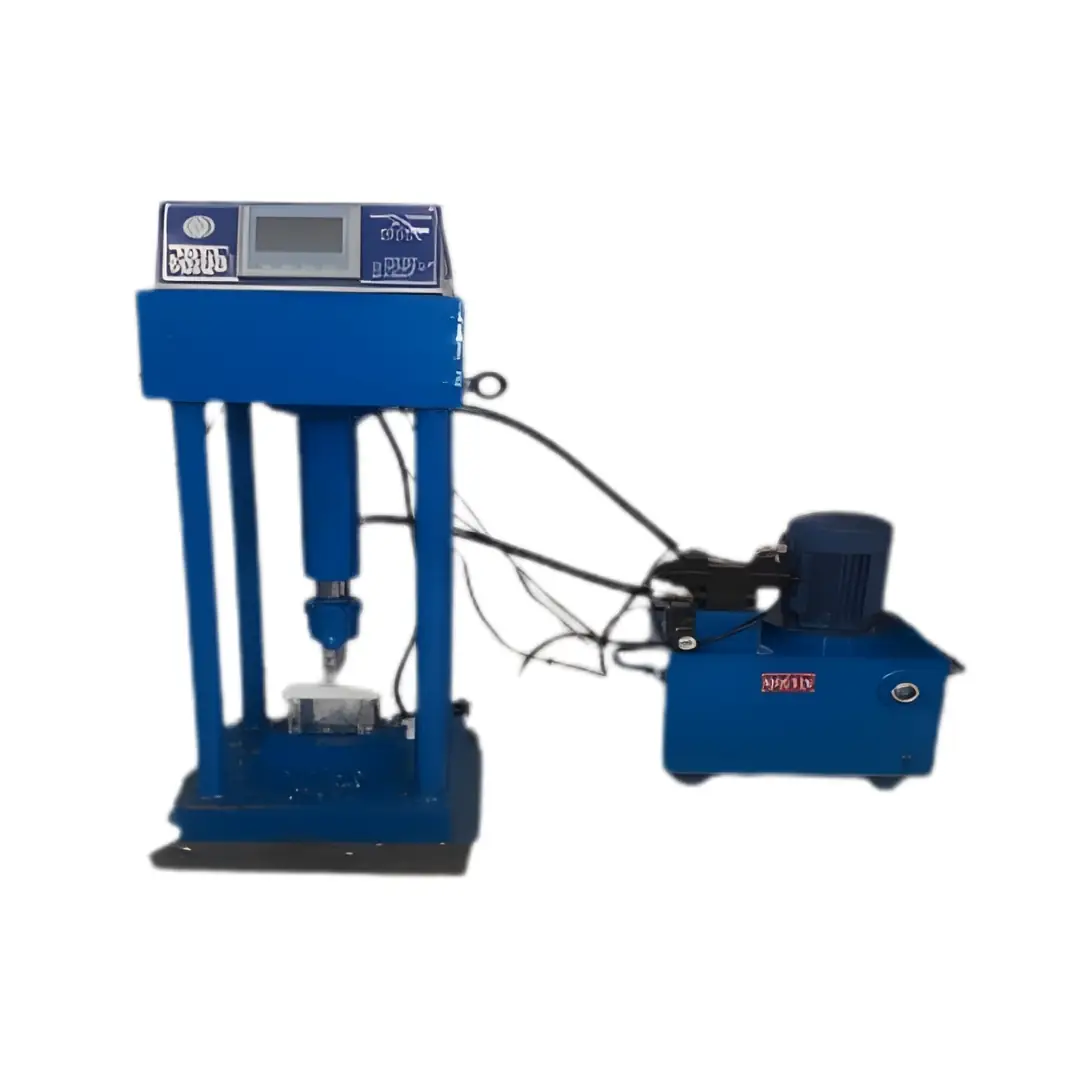
Flexural Strength Testing Machine
What Is a Flexural Strength Testing Machine?
A Flexural Strength Testing Machine is a laboratory testing machine used to determine the resistance of a material to bending or flexural loading. Flexural testing helps evaluate how a specimen behaves when a load is applied across a defined span and the material is subjected to bending.
Flexural strength is an important property for many construction and engineering materials. Testing can help laboratories, manufacturers, researchers and quality-control teams understand the performance of materials under flexural loading.
Flexural testing is commonly associated with materials such as concrete, cement-based products, mortar, stone and other construction or engineering materials, depending on the applicable testing procedure.
How Does a Flexural Strength Testing Machine Work?
The basic working principle of a flexural testing machine involves supporting a prepared specimen at defined positions and applying a controlled load to create bending stress.
During the test, the specimen is positioned on the machine's supports. A loading arrangement applies force to the specimen, and the machine records the applied load and relevant test information.
As the load increases, the specimen experiences bending. The test continues until the required test endpoint is reached, such as failure or another condition specified by the applicable testing procedure.
The recorded results can then be used to determine the flexural performance or flexural strength of the tested specimen.
Why Is Flexural Strength Testing Important?
Flexural strength testing provides useful information about how a material performs when subjected to bending forces.
For construction and engineering materials, flexural performance can be an important consideration when evaluating durability, structural behaviour, quality and suitability for particular applications.
Flexural testing can be used for:
• Quality control and quality assurance
• Research and development
• Material comparison
• Product development
• Manufacturing process evaluation
• Laboratory testing
• Construction material evaluation
• Performance verification
Applications of Flexural Strength Testing Machines
Flexural testing machines can be used across different material-testing applications depending on the machine configuration, specimen dimensions, fixtures and applicable testing procedure.
Concrete Testing
Flexural testing can be used to evaluate the bending performance of concrete specimens. The results can provide information about the flexural behaviour of concrete used in construction applications.
Cement Testing
Cement-based materials may require flexural evaluation as part of laboratory research, quality control or product development.
Mortar Testing
Flexural testing can help laboratories evaluate the bending performance of mortar and related cementitious materials.
Stone Testing
Natural and engineered stone materials can be evaluated for their resistance to flexural loading where the relevant testing procedure requires such assessment.
Construction Materials
Flexural testing is also useful for evaluating various construction and engineering materials where bending performance is an important material property.
Main Features to Consider When Selecting a Flexural Testing Machine
Choosing a suitable flexural testing machine requires consideration of the intended testing application and laboratory requirements.
Load Capacity
The required load capacity should be selected according to the maximum force expected during testing. The machine should provide an appropriate measurement range for the specimens and procedures being tested.
Specimen Dimensions
Specimen size and geometry are important when selecting the appropriate machine configuration. The support and loading arrangement should accommodate the required specimen dimensions.
Loading Arrangement
Different testing procedures may require different loading arrangements. The machine should be configured according to the relevant testing method and specimen type.
Load Measurement
Accurate load measurement is important for obtaining reliable test results. The measurement system should be appropriate for the intended laboratory application.
Controls and Display
Modern testing machines may incorporate digital controls and displays to simplify operation and provide clear test information.
Machine Construction
A robust machine structure helps provide stability during testing and supports repeatable laboratory operation.
Safety Features
Safety considerations are important when applying mechanical loads to specimens. The machine should be operated according to the manufacturer's instructions and the relevant laboratory safety procedures.
Flexural Strength Testing in Quality Control
Quality control laboratories use material testing equipment to maintain consistency in manufactured and construction materials.
Flexural testing can form part of a broader quality-control program by providing measurable information about material performance. Repeated testing can help identify changes in material properties, production processes or raw-material characteristics.
Flexural Testing for Research and Development
Flexural strength testing is also valuable during research and development.
Manufacturers and laboratories can compare different material formulations, compositions or manufacturing processes by evaluating their flexural behaviour.
This can help engineers and researchers understand how changes to a material affect its performance under bending loads.
Flexural Testing Machine vs. Other Material Testing Machines
Different testing machines are designed for different mechanical properties.
A Universal Testing Machine can perform various tensile, compression and other mechanical tests depending on its configuration and accessories.
A dedicated flexural testing machine, on the other hand, is configured specifically around flexural or bending test applications.
The appropriate machine depends on the materials being tested, required test procedures, expected loads, specimen dimensions and laboratory requirements.
Importance of Correct Test Setup
Correct specimen preparation and machine setup are essential for meaningful flexural test results.
The specimen should be prepared according to the applicable testing procedure. Supports, loading points and specimen positioning should be correctly arranged before beginning the test.
Incorrect positioning, unsuitable specimen preparation or improper loading can affect the observed results.
For this reason, laboratories should follow the relevant testing procedure and equipment manufacturer's operating instructions.
Maintenance and Calibration
Regular maintenance helps keep testing equipment in suitable operating condition.
Depending on the equipment configuration and laboratory requirements, maintenance may include inspection of mechanical components, checking the load measurement system, cleaning the machine and verifying control and display functions.
Calibration should be performed according to the laboratory's quality system and applicable requirements so that test measurements remain reliable and traceable.
Choosing a Flexural Strength Testing Machine for Your Laboratory
Before purchasing a flexural testing machine, laboratories should consider:
• Type of material to be tested
• Expected testing loads
• Specimen dimensions
• Required loading arrangement
• Testing frequency
• Required measurement accuracy
• Control and display requirements
• Available laboratory space
• Safety requirements
• Applicable testing procedures
• Future testing requirements
• Service and technical support
A clear understanding of these requirements helps laboratories select equipment that is appropriate for their intended applications.
Flexural Strength Testing Machine Manufacturer in India
Innotech Engineering Devices Private Limited manufactures and supplies testing equipment for material testing laboratories and industrial applications.
Our Flexural Strength Testing Machine range is designed for laboratory applications where controlled flexural or bending testing of suitable specimens is required.
We focus on practical machine design, reliable operation and configurations suited to the testing requirements of laboratories, quality-control departments, educational institutions, research facilities and industrial users.
For selecting the appropriate flexural testing equipment, laboratories should discuss their material type, specimen dimensions, expected loads and testing requirements with the equipment manufacturer.
Conclusion
A Flexural Strength Testing Machine is an important piece of equipment for evaluating the bending performance of construction and engineering materials.
By applying a controlled flexural load to a prepared specimen, the machine provides useful information about the material's resistance to bending. Flexural testing can support quality control, research and development, material comparison and laboratory evaluation.
Selecting the right machine requires consideration of the material, specimen dimensions, expected load, loading arrangement, measurement requirements and applicable testing procedures.
FAQs
What is a Flexural Strength Testing Machine?
A Flexural Strength Testing Machine is laboratory equipment used to evaluate the resistance of a material or specimen to bending or flexural loading.
What materials can be tested using a flexural testing machine?
Depending on the machine configuration and testing procedure, flexural testing may be performed on concrete, cement-based materials, mortar, stone and other suitable construction or engineering materials.
Why is flexural strength testing important?
Flexural testing provides information about how a material behaves when subjected to bending forces and can support quality control, research and material evaluation.
How does a flexural testing machine work?
A specimen is positioned on supports and a controlled load is applied to create bending stress. The applied load and relevant test information are measured during the test.
Is a Flexural Strength Testing Machine different from a UTM?
Yes. A UTM is a versatile machine capable of performing different mechanical tests depending on its configuration, while a flexural testing machine is specifically configured for flexural or bending applications.
What should I consider before buying a flexural testing machine?
Consider the material type, specimen dimensions, expected test load, loading arrangement, measurement requirements, testing frequency, laboratory space, safety requirements and applicable testing procedures.
Is calibration required for a flexural testing machine?
Calibration and verification requirements depend on the laboratory's quality system and applicable testing requirements. Regular verification helps maintain reliable and traceable measurements.
Who manufactures Flexural Strength Testing Machines in India?
Innotech Engineering Devices Private Limited manufactures and supplies material testing equipment, including Flexural Strength Testing Machines, for laboratory and industrial testing applications.
Category: Material Testing Laboratory
Tags: Flexural Strength Testing Machine, Flexural Testing, Material Testing, Concrete Testing, Cement Testing, Mortar Testing, Stone Testing, Construction Material Testing, Laboratory Testing, Material Testing Equipment
Last Updated: 30 September 2026