
Erichsen Cupping Test: Working Principle, Test Procedure, Applications & Importance
Jay Pal Singh
26 September 2026
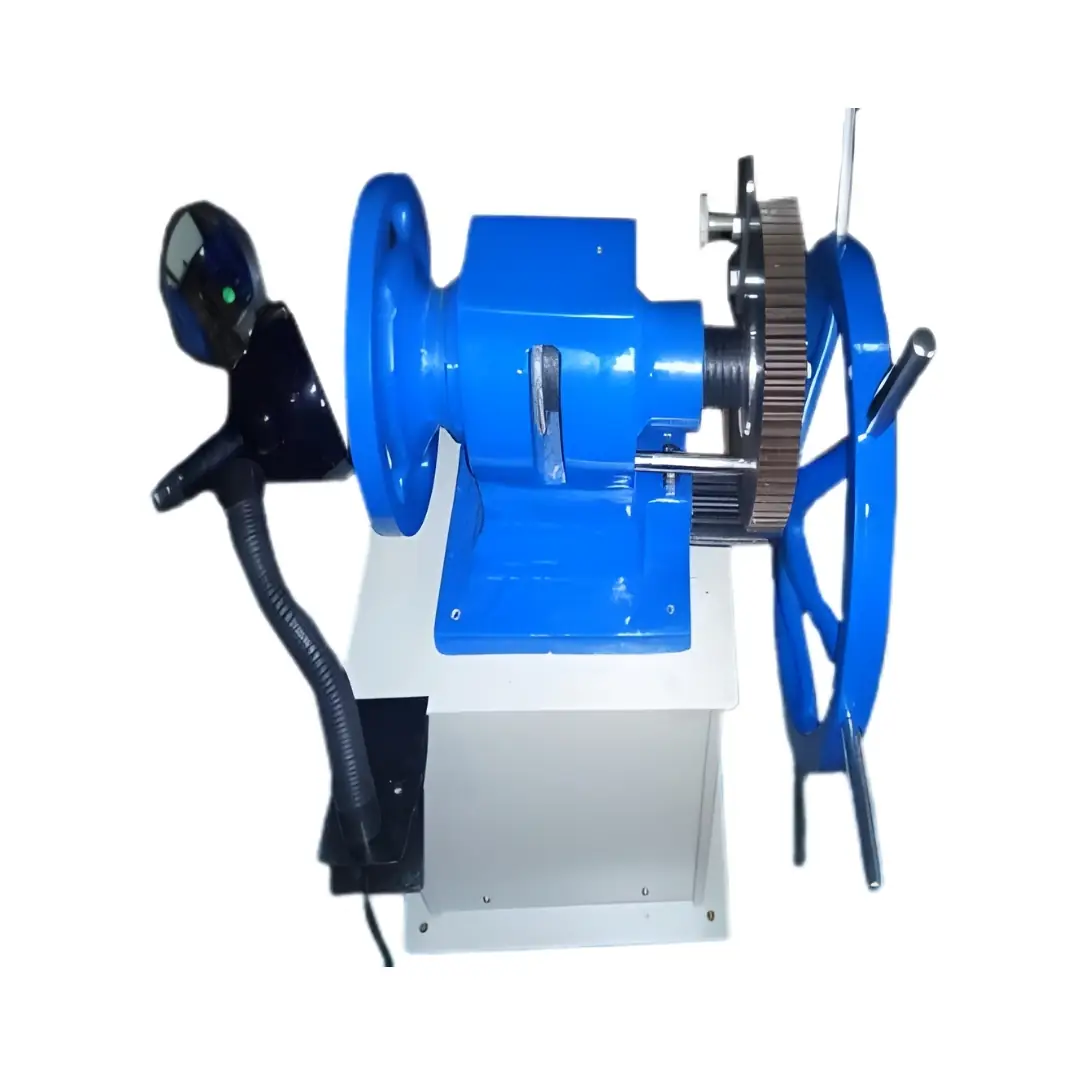
Erichsen Cupping Test: Working Principle, Test Procedure, Applications & Importance
How do engineers determine whether a sheet metal can withstand forming without cracking?
A sheet may look strong and suitable during visual inspection, but forming operations can expose weaknesses that are not obvious beforehand. The Erichsen cupping test provides a controlled method for evaluating the formability and deformation behaviour of suitable sheet and strip materials.
The test is particularly relevant to industries where sheet metal is pressed, formed, drawn or shaped into components.
What Is an Erichsen Cupping Test?
The Erichsen cupping test is a sheet-metal testing method used to evaluate the ability of a sheet or strip to undergo localized plastic deformation.
During the test, a sheet specimen is clamped between appropriate tooling and a punch is pressed into the specimen. The punch produces localized deformation until the specified endpoint or a crack is reached.
ISO 20482:2013 specifies a standard test method for determining the ability of metallic sheets and strips to undergo plastic deformation in stretch forming.
What Does the Erichsen Cupping Test Measure?
The test provides information about the forming behaviour of the sheet material.
It can be used to evaluate:
• Sheet-metal formability
• Ductility
• Plastic deformation behaviour
• Resistance to cracking during forming
• Comparative material performance
• Suitability for forming applications
The resulting cupping or indentation value can be used as an indicator within the applicable test method.
Erichsen Cupping Test Working Principle
The working principle is based on controlled deformation of a clamped sheet specimen.
The specimen is positioned between the appropriate die and sheet holder. A punch is then driven into the sheet, causing localized stretching and deformation.
As the punch advances, the sheet forms a cup-like deformation. The test continues according to the applicable procedure until the defined endpoint is reached, commonly associated with the appearance of a crack.
The displacement or indentation value at the specified endpoint provides an important test result for evaluating the material's forming behaviour.
ERICHSEN's explanation of the test describes the sheet being clamped between the sheet holder and die and formed using a hardened ball punch until a fine continuous crack appears.
Erichsen Cupping Test Procedure
A typical cupping test involves the following steps:
1. Prepare the Sheet Specimen
A suitable sheet specimen is prepared according to the applicable testing procedure.
2. Position the Specimen
The specimen is placed correctly between the die and holding arrangement.
3. Clamp the Sheet
The sheet is securely held to maintain the required testing condition.
4. Apply the Punch
The punch is moved into the specimen at the required testing condition.
5. Observe the Deformation
The material undergoes localized stretching and forms a cup-like depression.
6. Identify the Test Endpoint
Testing continues until the applicable endpoint is reached, such as the specified crack condition.
7. Record the Result
The relevant cupping depth or Erichsen value is recorded according to the selected test procedure.
The exact tooling, specimen dimensions, speed and other parameters should be selected according to the applicable standard and machine configuration.
Why Is Sheet Metal Formability Testing Important?
Sheet metals are frequently subjected to pressing, bending, deep drawing and other forming operations.
If a material does not have adequate formability, it can develop cracks or other defects during production.
Cupping testing can help manufacturers and laboratories:
• Compare different sheet materials
• Evaluate incoming material
• Support material selection
• Investigate forming behaviour
• Improve quality control
• Support product development
• Study coated sheet behaviour
• Evaluate materials for forming applications
Applications of Erichsen Cupping Testing
Automotive Industry
Automotive components frequently use formed sheet metal. Cupping testing can support material evaluation and quality control for suitable automotive sheet materials.
Steel and Metal Manufacturing
Metal producers and processors can use cupping testing to compare the forming behaviour of sheet materials.
Sheet Metal Processing
Manufacturers involved in pressing, forming and drawing operations can use the test during material and process evaluation.
Paint and Coated Sheet Testing
Suitable coated sheets can also be evaluated to observe their behaviour when the underlying sheet undergoes deformation.
Research and Development
Research laboratories can use cupping tests when developing or comparing new sheet materials and manufacturing processes.
Erichsen Cupping Test for Coated Sheets
When a coated sheet is formed, both the substrate and coating experience deformation.
Cupping testing can therefore be useful for evaluating the behaviour of suitable painted or coated metal sheets during controlled deformation.
The exact evaluation criteria depend on the coating, substrate and applicable testing procedure. The test should not automatically be interpreted as a complete assessment of coating performance under every service condition.
ISO 20482 and Erichsen Cupping Testing
ISO 20482:2013 is titled “Metallic materials — Sheet and strip — Erichsen cupping test.” ISO states that the standard specifies a method for determining the ability of metallic sheets and strips to undergo plastic deformation in stretch forming.
The applicable standard, specimen dimensions, tooling and test parameters should always be confirmed before performing a standardized test.
Erichsen Cupping Testing Machine at Innotech
Innotech Engineering Devices Private Limited provides an Erichsen Cupping Testing Machine for evaluating the formability and deformation behaviour of suitable sheet-metal specimens.
The machine is intended for applications involving sheet-metal testing, automotive materials, metal manufacturing, sheet processing, research and quality control.
For complete machine information and configuration, readers can visit the Innotech Erichsen Cupping Testing Machine product page.
How to Select an Erichsen Cupping Testing Machine
Before selecting a cupping testing machine, laboratories should consider:
• Material type
• Sheet thickness
• Specimen dimensions
• Applicable test procedure
• Punch and die arrangement
• Sheet-holding requirements
• Measurement method
• Test control
• Display and data requirements
• Coated or uncoated specimen testing
The machine should be selected according to the actual materials and testing methods required by the laboratory.
Erichsen Cupping Test vs Tensile Test
The two tests evaluate different aspects of material behaviour.
A tensile test primarily investigates the behaviour of a specimen under uniaxial tensile loading, including properties such as tensile strength and elongation.
An Erichsen cupping test evaluates sheet formability under localized deformation and is particularly relevant to sheet-forming applications.
Therefore, the two tests can provide complementary information rather than being direct substitutes.
Frequently Asked Questions About Erichsen Cupping Test
What is an Erichsen cupping test?
It is a sheet-metal test used to evaluate the ability of suitable sheet and strip materials to withstand localized deformation during stretch forming.
What does an Erichsen cupping test measure?
It provides information about sheet formability and deformation behaviour, with the applicable cupping depth or Erichsen value used as a test result.
What is ISO 20482?
ISO 20482:2013 is an international standard covering the Erichsen cupping test for metallic sheet and strip.
Which materials can be tested?
Depending on the machine configuration and applicable test method, suitable steel, aluminium, copper, alloy and coated sheet materials can be evaluated.
Why is the sheet clamped during the test?
Clamping provides the required boundary condition while the punch applies controlled deformation to the specimen.
Where is an Erichsen Cupping Testing Machine used?
It can be used in metal-testing laboratories, automotive industries, sheet-processing facilities, steel and metal manufacturing, coating industries, research laboratories and quality-control departments.
Is an Erichsen cupping test the same as a tensile test?
No. Tensile testing evaluates material behaviour under tensile loading, while cupping testing evaluates sheet formability under localized deformation.
Can coated sheets be tested?
Suitable coated sheets can be evaluated depending on the test method and machine configuration.
Category: Metal Testing & Sheet Metal Testing
Tags: Erichsen Cupping Test, Erichsen Cupping Testing Machine, Sheet Metal Testing, Metal Testing, Formability Testing, Ductility Testing, ISO 20482, Automotive Material Testing
Last Updated: 30 September 2026